Some family traditions start by accident. A delivery box arrives, someone wonders aloud whether it could become a car wash for toy trucks, and two hours later the whole family is arguing happily about where the dryer goes. A weekend building challenge takes that accident and puts it on the calendar.
The format is simple: once a month, on a Saturday or Sunday, the family gets a theme, a pile of materials and a set amount of time. Teams mix ages, everyone builds, and the results go on a display shelf and into a photo journal. It costs almost nothing, it works with cardboard, blocks or both, and it gives children something to look forward to that is not tied to a screen or a store.
It suits families with children from about 3 to 12. Toddlers can join in with big blocks and boxes if an adult partners them closely.
You’ll need
- A "challenge box" of clean cardboard: cereal boxes, delivery boxes, paper towel tubes, egg cartons
- Wooden unit blocks or other building blocks you already own
- Masking tape and painter's tape (easy for small hands to tear)
- Child-safe scissors, plus an adult-only cutting tool for thick cardboard
- Washable markers and paper for plans
- A tape measure or ruler
- A timer
- A shelf, windowsill or the top of a bookcase for display (anchored to the wall)
- A phone or camera, and a notebook or folder for the photo journal
How to run a challenge weekend
- Reveal the theme. Write it on a card and pin it up a day or two ahead so ideas can simmer. Keep it open: "something that moves" invites more than "a red truck."
- Make the teams. Pair an older child with a younger one, or split the family into two mixed teams with an adult on each. Swap partners each month.
- Plan for five minutes. Each team sketches a plan on paper. Younger children can draw; older ones can label parts and list materials. Plans are allowed to change.
- Build for 30 to 60 minutes. Set a timer. Adults on the team help with cutting and holding, but the children make the decisions.
- Test it. Does the bridge hold a toy car? Does the boat float in the bathtub? Does the marble reach the bottom? Testing is part of the fun, and a collapse is just information.
- Show and tell. Each team explains what they built, what went wrong and what they would change. No judging and no winner; everyone gets a round of applause.
- Photograph and display. Take a photo of each build with its builders' hands, then give it a week on the display shelf before it goes to recycling or gets taken apart.
A year of themes
| Month | Theme | Good materials | A test to try |
|---|---|---|---|
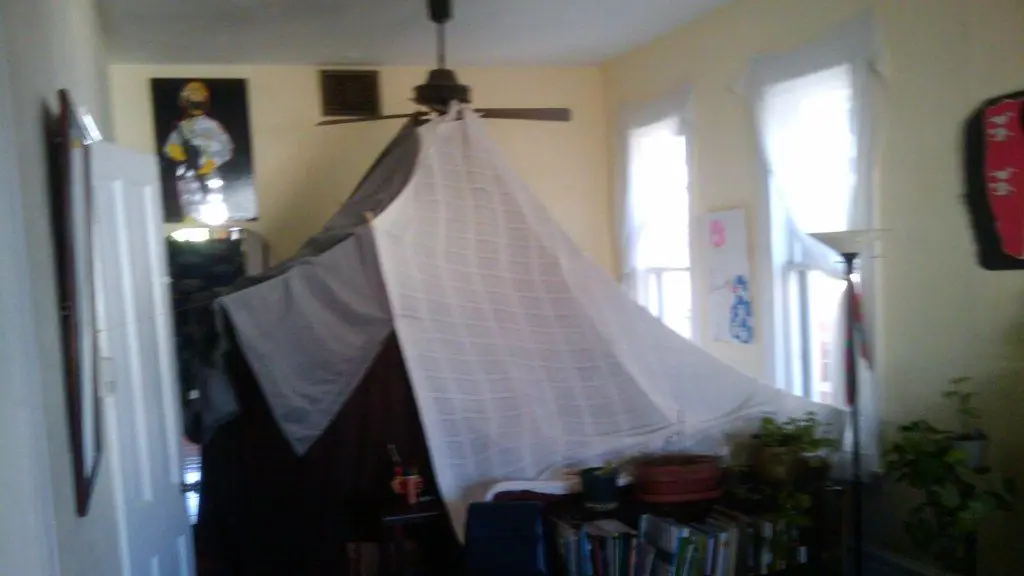
| January | A shelter for a stuffed animal | Boxes, fabric scraps, tape | Does it stay up when the animal goes inside? |
| February | A bridge between two chairs | Cardboard strips, tubes, blocks | How many toy cars can it hold? |
| March | Something that rolls | Tubes, lids, boxes, straws | How far does it roll down a ramp? |
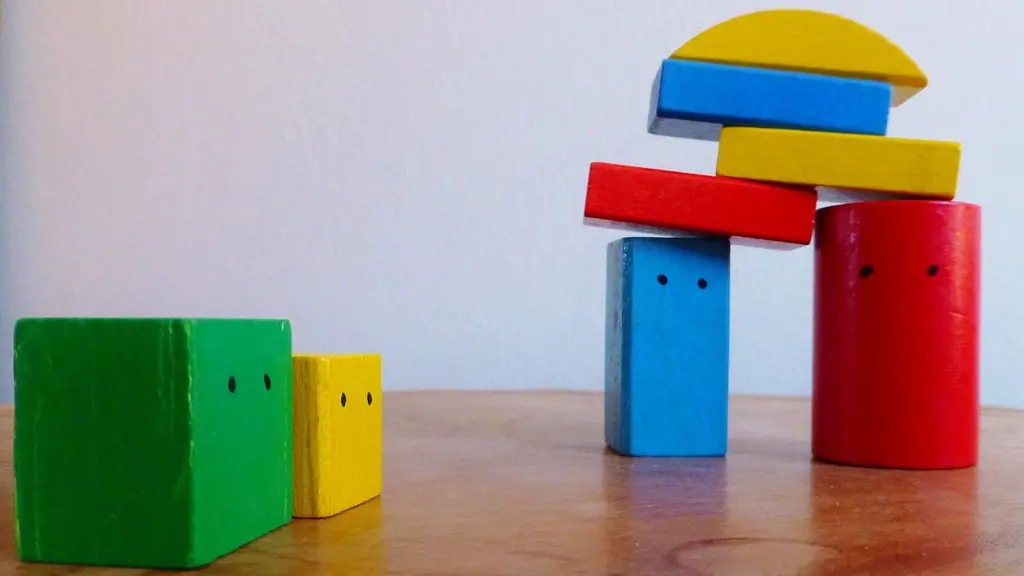
| April | A tower taller than the youngest builder | Blocks, cereal boxes | Can it stand for one minute? |
| May | A boat | Egg cartons, plastic trays, tape | Does it float in the bathtub or sink? |
| June | A marble run or ball run | Paper towel tubes, tape, a box lid | Does a ball reach the bottom? |
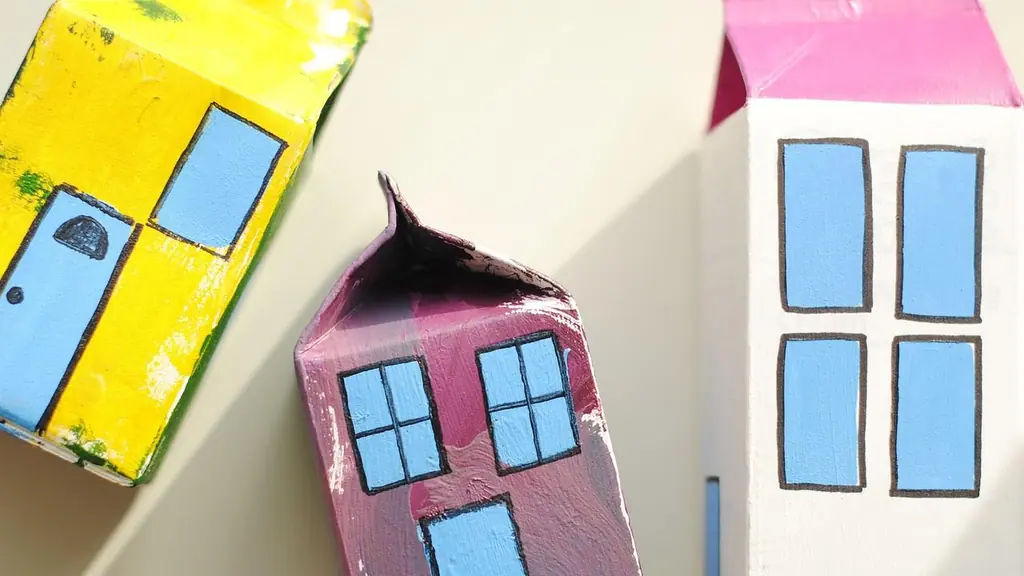
| July | A city block | Blocks, small boxes, markers | Can a toy car drive every street? |
| August | A machine that does a job | Boxes, string (supervised), tubes | Does it lift, scoop or sort something? |
| September | A creature or robot | Boxes, cartons, markers | Can it hold a pose without tipping? |
| October | A castle or fort for toys | Boxes, blocks, cardboard walls | Do the walls stay up when you add a roof of paper? |
| November | A vehicle for a toy figure | Boxes, tubes, lids | How far does it travel with one push? |
| December | Free choice: rebuild a favorite from the year, better | Anything | What did you improve? |
Our printable construction challenge cards are useful when you want extra missions in between, and the cardboard build design sheet gives each team a plan-build-test-improve page for the journal.
Variations by age
- Preschool (3–5): Keep builds short (20 to 30 minutes), lean on blocks and big boxes, and let tape be the main tool. Preschoolers love being the "tester" who rolls the car or adds the stuffed animal.
- Early school (5–8): Add simple measuring ("Is it taller than the chair?") and a written materials list. Children this age often enjoy giving their build a name and a sign.
- Big kids (8–12): Introduce constraints: a materials budget (only ten pieces of tape), a weight target, or a rule that the build must fold flat. They can also take over planning the year's themes. For bigger engineering ideas, see our STEM building challenges by age.
- Mixed ages: Give the youngest child a real job with a real decision, such as choosing the color scheme, where the door goes, or the name.
The display shelf and photo journal
The display shelf turns a one-afternoon project into something the family sees all week. Pick a spot at a child's eye level, add a small card with the builders' names and the date, and resist the urge to tidy it early.
The photo journal is what turns the challenges into a tradition. A simple folder or notebook with one page per month works well: the photo, the plan sketch, and one sentence from each builder about what they made. Over a year, children can flip back and see their own progress, which is often more motivating than any prize.
Safety first
- Cutting. Craft knives and box cutters are for adults only. Children use child-safe scissors on thin card; adults cut thick cardboard. Our guide to safe cardboard tools and techniques explains which tools suit which ages.
- Hot glue is an adult-only tool, used away from children's hands. Tape and white glue work well for kids.
- Check the cardboard. Remove staples, plastic tape with sharp edges and packing materials before the box goes into the challenge pile.
- Small parts. Federal rules ban small parts in toys meant for children under 3, because they can cause choking. At home, keep bottle caps, marbles, small blocks and beads away from toddlers and any child who mouths objects, especially when younger siblings are nearby.
- Towers and display. Keep towers below a young child's chest height so they cannot fall on anyone, never let children climb on builds, and anchor the display bookcase to the wall.
- String and cords. Use string only with supervision and keep it away from young children's necks.
- See our safety principles for more.
What they’re learning
The American Academy of Pediatrics' report on play describes play with parents as a chance to strengthen the safe, stable, nurturing relationships children need, and as a way to practice language, problem-solving and self-regulation. In a large, nationally representative U.S. sample of young children, those whose parents reported more frequent play with puzzles, blocks and board games tended to score higher on a spatial task, though the authors note this shows an association, not proof that the play caused the difference. The Center on the Developing Child at Harvard points out that when children plan something, hold the plan in mind and adjust it when it does not work, they practice planning and flexible thinking. Every child brings different strengths to a build.
Grown-up tip
Keep a lidded "challenge box" in a closet and add clean cardboard all month. When the weekend arrives, there is no scramble for materials, and choosing what to use becomes part of the planning. Flatten boxes to save space.
Next steps
Once the monthly rhythm is set, children often start inventing their own challenges midweek. That is the tradition working. When you are ready for more structure, read about what construction play builds, or try a single theme as a family afternoon with the construction challenge cards.
Sources
- The Power of Play: A Pediatric Role in Enhancing Development in Young Children, Pediatrics (American Academy of Pediatrics)
- Building Blocks for Developing Spatial Skills: Evidence From a Large, Representative U.S. Sample, Psychological Science
- Enhancing and Practicing Executive Function Skills with Children from Infancy to Adolescence, Center on the Developing Child, Harvard University
- Small Parts Ban and Choking Hazard Labeling, U.S. Consumer Product Safety Commission