Densters
Cardboard Build Design Sheet: Plan, Build, Test, Improve
An engineering design worksheet for cardboard builds, ages 5 to 12: define the problem, sketch two ideas, plan materials, build safely, test and improve.
AgesEarly School, 5–8Big Kids, 8–12
Engineers don't get it right the first time, and neither will you. This sheet walks a cardboard project through the same loop they use: ask, imagine, plan, build, test and improve.
Grown-up tip
- Print: three pages. One set per project, or per team of two or three builders.
- Ages 5–8: a grown-up reads each step aloud and writes for them if needed. Drawing counts as an answer everywhere on this sheet.
- Ages 8–12: let them run it independently, including the test table. Your job is to ask "What did you notice?" and to do the cutting with a craft knife.
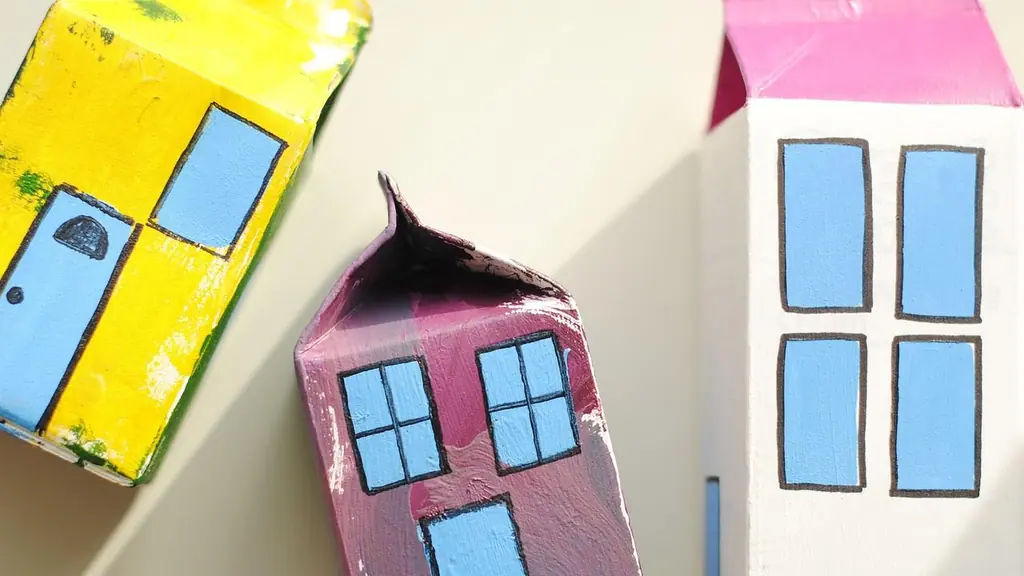
- Project ideas: a bridge that holds a toy car, a house for a stuffed animal, a ramp that makes a ball stop on a target, or a box that keeps an ice cube frozen longest.
- Why plan on paper: studies have linked children's skill at building and copying block structures with their spatial and early math skills. The research shows connections rather than proof that building causes them, but sketching, measuring and building from a plan all exercise those skills.
- Read more: cutting, joining and folding cardboard safely, cardboard box construction projects and our Construction Challenge Cards.
1 · Ask: what's the problem?
We are building:
It's for (a person, a toy, a pet):
It must:
Our limits (time, size, materials):
2 · Imagine: two different ideas
Sketch two ideas quickly. They should be really different, not the same idea twice.
We chose idea ___ because:
3 · Plan: draw it and gather it
Draw your chosen design. Label each part with what it's made of and how big it is.
Materials we'll use
- Cardboard boxes or sheets
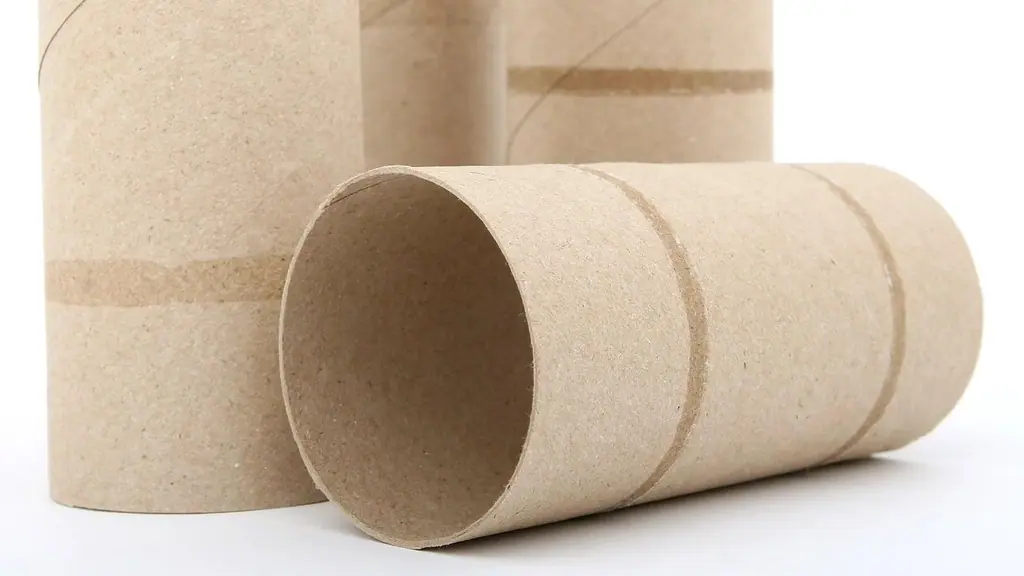
- Cardboard tubes
- Masking or packing tape
- Glue stick or white glue
- Child-safe scissors
- Ruler and pencil
- Paper fasteners (brads)
- Other:
Jobs: who does what?
4 · Build it safely
Safety first
- Craft knives, box cutters and hot glue are grown-up jobs. Mark the line in pencil and ask a grown-up to cut it.
- Child-safe scissors for thin card; cut away from your body and fingers.
- Paper fasteners and bottle caps are small parts: keep them away from children under 3.
- Check for sharp edges and staples, and cover them with tape.
- No standing on or climbing into a build unless a grown-up has made it for that.
Joining tricks to try: tabs folded and glued, slots cut into two pieces so they lock together, tape hinges for flaps, and triangles in the corners for strength.
Build notes: what changed from the plan?
5 · Test it
Test it the same way each time, so you can tell whether a change helped.
| Test | What we tried | What happened | What we'll change |
|---|---|---|---|
| 1 | |||
| 2 | |||
| 3 | |||
| 4 |
6 · Improve and share
Our best improvement was:
If we built it again, we would:
The part I'm proudest of:
Show someone your build and explain how you tested it. What question did they ask?
densters.com/printables/cardboard-build-design-sheet/. Free to print for home and classroom use.
Prints on US Letter or A4 at 100% scale. In the print dialog, turn off “Headers and footers” for the cleanest sheet.
Sources
- Better Kid Care, Penn State Extension
- Building Blocks for Developing Spatial Skills: Evidence From a Large, Representative U.S. Sample (Jirout and Newcombe, Psychological Science, 2015), SAGE / Association for Psychological Science
- Deconstructing Building Blocks: Preschoolers' Spatial Assembly Performance Relates to Early Mathematical Skills (Child Development, 2014), Society for Research in Child Development