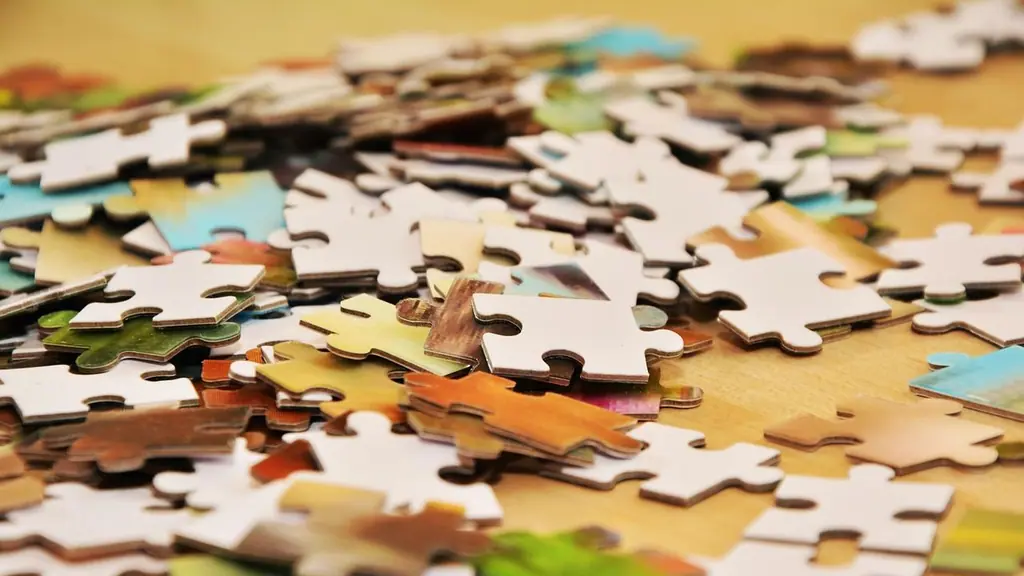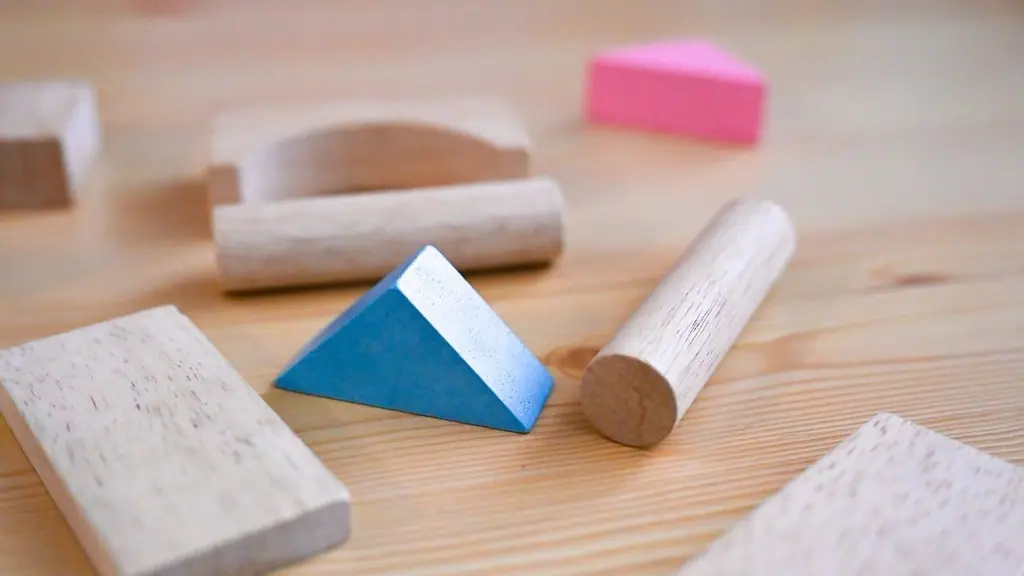
Hand a child a jigsaw puzzle and there is one finished picture. Hand the same child a basket of wooden blocks and there are thousands: a road, a zoo, a wall to knock down, a phone, a birthday cake. That difference is the heart of open-ended play, and it explains why the cardboard box so often outlasts the toy that came inside it.
Open-ended play is not a method you have to learn or a product you have to buy. It's a way of offering materials and time so that the child, not the toy or the adult, decides what happens next. Here's what it means in practice, what the evidence supports, and how to make room for it at home without turning your living room into a warehouse.
What makes play "open-ended"
Play is open-ended when there is no fixed outcome and no single right way to do it. The materials can be used in many ways, the child sets the goal, and the goal can change halfway through.
The early-childhood idea of loose parts captures this well. Penn State Extension's Better Kid Care program describes loose parts as objects children can move, carry, redesign, take apart and put back together, with the child setting the direction. Think sticks, shells, fabric, tubes, blocks and boxes.
Closed-ended materials and activities are not bad. Puzzles, shape sorters and board games build persistence, rule-following and turn-taking. They simply have an end point decided in advance. A balanced playroom has both.
| Open-ended | Closed-ended | |
|---|---|---|
| Outcome | Decided by the child, can change | Fixed in advance |
| Examples | Blocks, play dough, dress-up clothes, cardboard boxes, scarves, toy animals, art supplies | Puzzles, shape sorters, model kits, worksheets, toys that perform one action at a button press |
| Typical adult role | Set up, watch, follow the child's lead | Explain the rules, help reach the goal |
| Lasts | Often for years, used differently at each age | Until mastered |
What the research supports, and where it's thinner
The American Academy of Pediatrics' clinical report The Power of Play (2018) is a useful anchor. It describes play as intrinsically motivated and joyful, and links it with social-emotional, language and self-regulation skills. Several of its examples point directly at open-ended play:
- Preschool children given blocks to play with at home, with minimal adult direction, showed gains in language at follow-up.
- Children who played with objects under minimal direction named about three times as many nonstandard uses for an object as children given specific instructions.
- Play with traditional toys was associated with more and richer language between parent and child than play with electronic toys.
- Creativity and play are supported by inexpensive things such as wooden spoons, blocks, balls, crayons and boxes, together with a grown-up's attention.
Zero to Three, the infant and toddler development organization, makes the same practical point: toys that can be used in many ways, such as blocks that become a road or a spaceship, invite imagination and problem-solving, and the most useful toys tend to be the ones that ask the most of the child.
It's worth being honest about the limits. A widely cited review in Psychological Bulletin (Lillard and colleagues, 2013) examined claims that pretend play is crucial for development and concluded that the existing evidence did not support strong causal claims about its unique importance. Play may be one of several routes to the same skills rather than a magic ingredient. That's a reason to offer open-ended play because children enjoy it and because it gives them room to practice, not because any one activity will "boost" a particular skill.
The grown-up's role: set up, observe, step back
Open-ended play doesn't mean leaving children to it entirely. Your job just changes shape.
- Set up the space. Clear a patch of floor, put a few interesting materials within reach and remove the clutter that competes with them.
- Offer, don't direct. Zero to Three's curiosity tips put it plainly: "Do not tell your child what to do with the material, how to do it or what it should look like in the end."
- Watch first. Give the play a few minutes before joining in. You'll learn what your child is trying to do.
- Join on their terms. Take a role you're given ("you be the customer") and add small twists rather than taking over.
- Ask open questions. "What happens next?" and "How could we make it taller?" invite thinking; "Is that a house?" invites a yes or no.
- Protect the time. Leave an unfinished build up overnight when you can, and allow long stretches without interruption.
Examples by age
Toddlers (1–3). Large blocks, nesting cups, pots and wooden spoons, big cardboard boxes to climb into, scarves for peekaboo, chunky crayons on large paper, water play with cups and scoops. Expect lots of filling, dumping, stacking and knocking down. That is the play.
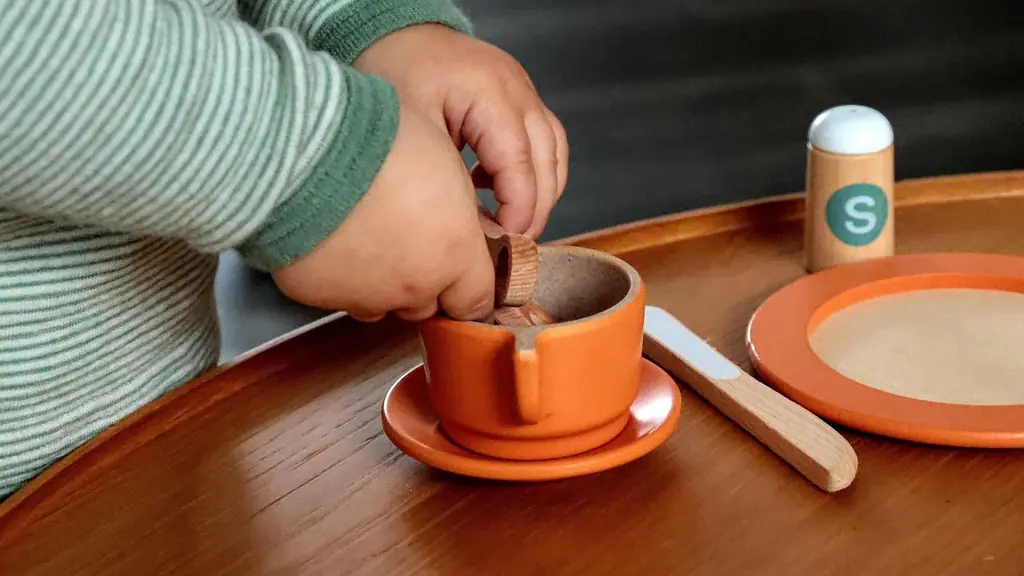
Preschool (3–5). Dress-up clothes, toy animals and people, play dough with simple tools, a blanket and two chairs for a den, sand and water, art supplies, unit blocks. Pretend play takes off at this age, so add props that can be many things: a cloth that's a cape, then a river, then a picnic blanket. Our guide to pretend play and child development goes deeper.
Early school (5–8). Construction sets with plenty of plain pieces, cardboard and tape, loose parts outdoors, a small-world play setup, story-making with puppets, simple challenges like "build a bridge for a toy car" that have many possible solutions.
Big kids (8–12). Ambitious forts and dens, stop-motion with clay figures, invented board games, outdoor building with crates and planks, sewing and craft projects of their own design, long imaginative games with friends. Older children still play; it just looks more like projects.
Making room for it at home
- Fewer, better materials. A small number of open-ended materials, rotated every week or two, gets more use than a crowded shelf. Zero to Three also suggests rotating toys to keep them interesting.
- Store in sight, at child height. Low open shelves and clear bins let children choose for themselves.
- Keep a "makings" box. Clean tubes, boxes, fabric scraps and lids become a ready supply for junk modeling.
- Choose toys with open-endedness in mind. Our open-ended toy checklist walks through what to look for, with no brand rankings.
- Accept the mess within limits. Agree a play zone and a simple tidy-up routine rather than banning messy materials.
Safety first
Open-ended doesn't mean anything goes. Match materials to age: no small parts, marbles, balloons, button batteries or small magnets for children under 3 or any child who still mouths objects. Stay close during water play, keep string and cords away from young children's necks, check that dens and stacked structures are low and stable, and supervise any cutting tools. See our safety principles for the full checklist.
NAEYC, the national association for early-childhood educators, describes play as essential for all children from birth through age 8 and as a foundation for language, self-regulation and thinking. You don't need a curriculum to support that at home: a few good materials, some uninterrupted time and a grown-up who is willing to be the customer in the pretend café will do most of the work.
Sources
- The Power of Play: A Pediatric Role in Enhancing Development in Young Children, Pediatrics (American Academy of Pediatrics)
- Tips on Nurturing Your Child's Curiosity, Zero to Three
- Tips for Choosing Toys for Toddlers, Zero to Three
- The impact of pretend play on children's development: a review of the evidence, Psychological Bulletin (via PubMed)
- Play, National Association for the Education of Young Children (NAEYC)
- Loose parts: What does this mean?, Penn State Extension, Better Kid Care