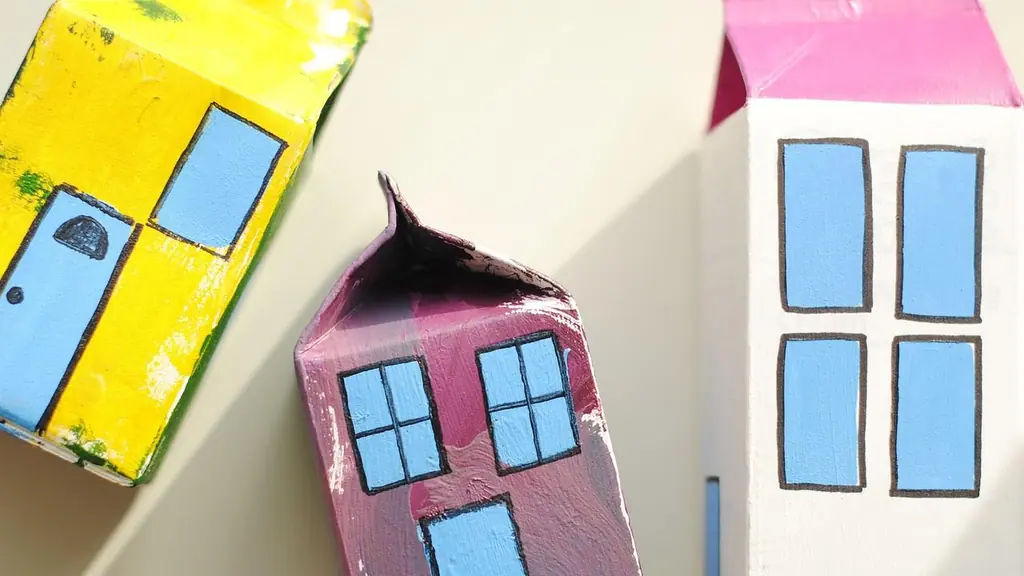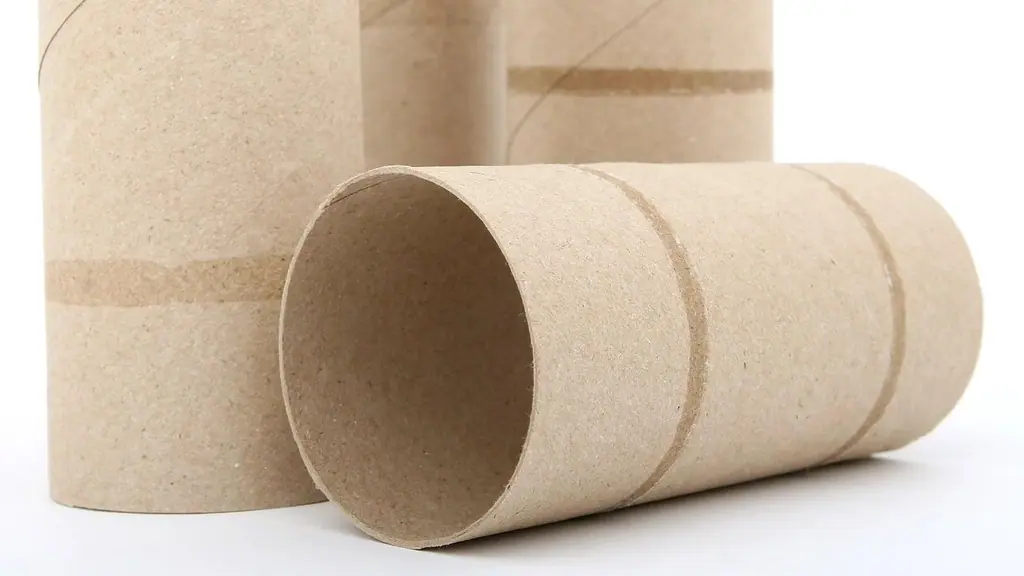
Every week, a family's recycling bin fills with perfectly good building material: cereal boxes, paper towel tubes, egg cartons, yogurt pots. Junk modeling simply means catching some of it on the way out and giving it a second life as robots, boats, birdhouses and things nobody can name but the builder.
A junk modeling station is a corner of a table, a shelf or a big plastic tub where those materials live, sorted and ready, alongside tape and glue. Children help themselves, build whatever they like, and the finished models go on display for a while before returning to the recycling. It suits toddlers who want to stick things together, preschoolers who announce "it's a dinosaur hospital," and early-school builders who plan with pencil sketches.
The most important ingredient isn't a material. It's the grown-up's willingness to let the model look exactly how the child wants it to look.
You’ll need
- A low table or a cleared section of floor with a washable cover or old sheet
- Three to six shallow bins or boxes for sorting (tubes, boxes, trays and pots, paper and fabric scraps)
- Clean, dry recyclables: cereal and tissue boxes, paper towel and wrapping paper tubes, egg cartons, paper cups, yogurt pots, large lids, corrugated card, paper plates
- Joining materials: masking tape, colored paper tape, water-based white glue in a shallow dish with spreaders, glue sticks
- For older children: split pins, pipe cleaners, string for supervised use, a hole punch
- Child-size scissors with blunt tips
- Washable markers, crayons and paint for decorating
- A display shelf or windowsill for finished models
Setting up and running the station
- Collect for a week or two. Rinse food containers, let them dry fully and flatten nothing you might want as a 3D shape. Ask family members to drop clean items into a "building box" instead of the recycling.
- Sort as you go. Group items by shape rather than by color: tubes together, boxes together, small trays together. Sorting makes it easier for children to find "something round for a wheel," and it's a useful job for a preschooler.
- Set out a manageable amount. Put out enough choice to spark ideas, but not the whole collection. A few of each type keeps the table usable and leaves fresh materials for next time.
- Pre-tear the tape. For toddlers and young preschoolers, stick short lengths of masking tape along the table edge. Tearing tape is a hard skill, and waiting for help kills momentum.
- Offer an open prompt, or none. Try "What could you build that floats?" or "Can you make a house for a toy?" Many children won't need a prompt at all. Avoid showing a finished example; it tends to become the only "right" answer.
- Step back and watch. Describe what you see ("you stacked three boxes and they're still standing") rather than judging or fixing. Offer help when asked, especially with tape and cutting.
- Display, then recycle. Give finished models a few days on the display shelf, take a photo if your child wants to remember one, then let it go back into the recycling or the collection box.
Variations by age
| Age band | What it looks like | Materials and support |
|---|---|---|
| Toddlers (1–3) | Sticking, stacking, putting things in and out of boxes, ripping paper | Only large items (bigger than their mouth), pre-torn tape, glue sticks, constant adult supervision |
| Preschool (3–5) | Naming models, making vehicles and homes for toys, simple stories | Add scissors for snipping paper, white glue, markers, an open prompt |
| Early school (5–8) | Planning, measuring, moving parts, building to a challenge | Add split pins, hole punches, pipe cleaners, a sketch first, challenges such as "a bridge for a toy car" |
Safety first
- Size matters for under-3s. The U.S. Consumer Product Safety Commission bans small parts in toys for children under 3 because they can cause choking. Keep bottle caps, small lids, buttons, beads and pen caps out of the station when toddlers are present, and keep balloons out entirely for children under 8.
- Supervise every session for toddlers and preschoolers, and check under the table and between cushions afterward for anything small.
- Clean everything first. Rinse food and drink containers well, and skip anything that held cleaning products, medicines or chemicals.
- No glass, no sharp tins. Leave out jars, tin cans with cut lids, foil trays with sharp edges, and anything cracked or broken.
- No plastic bags or thin plastic film. These are a suffocation risk for young children.
- Watch the string. Ribbon, yarn and string are for older children, used at the table, and never tied around anyone's neck.
- Use non-toxic art supplies and water-based glue, and keep sharp tools and hot glue with the grown-ups.
- Allergies: Rinse food packaging thoroughly, and skip containers from foods that anyone in the group is allergic to.
See our play safety principles for the basics.
What they’re learning
What they're learning
Junk materials are a classic example of what educators call loose parts: objects that children can move, combine, take apart and redesign with no single correct use. Penn State Extension's Better Kid Care program connects loose parts with creativity, problem-solving and symbolic play, where one object stands in for another. NAEYC, the national early-childhood education organization, describes play as a support for self-regulation, language and thinking skills. The American Academy of Pediatrics' report The Power of Play also points out that children's creativity is supported by inexpensive materials such as boxes, and that children given materials with minimal direction came up with more unusual uses for them. At the station that might look like a child working out why a tall tube keeps falling, or negotiating with a sibling over the last egg carton.
Grown-up tip
Grown-up tip: process over product
Resist the urge to tidy a model or add the "missing" piece. A box covered in 40 strips of tape is a real accomplishment for a 2-year-old. Ask "Tell me about it" instead of "What is it?", and let models be unfinished; some children will come back to the same build for days.
Open prompts to try
Prompts work best as an invitation, not an assignment. Offer one, then let the idea wander wherever the builder takes it.
- Can you make a home for a toy animal?
- What could you build that rolls?
- Make something taller than your knee that stands up on its own.
- Build a vehicle for a very small passenger.
- What would a robot need? Can you give it arms?
- Make a hat, a mask or a crown you could actually wear.
- Can you build a boat? Test it in the bath or a tub of water, with a grown-up beside you.
Keeping the station manageable
- Limit storage. One large lidded tub is plenty. When it's full, recycle the least interesting items first.
- Rotate materials. Swap in something new every week or two, such as paper plates one week and fabric scraps the next. Our guide to toy rotation works the same way for junk materials.
- Set a tidy-up routine. Sorting back into bins is a five-minute job that children can own.
- Go bigger when you're ready. Large appliance boxes open up a whole new scale. See cardboard box construction projects for playhouses and puppet theaters, and choosing open-ended toys for other materials that work the same way.
For more building ideas, browse the creative construction topic or the preschool age guide.
Sources
- Loose parts: What does this mean?, Penn State Extension, Better Kid Care
- Small Parts Ban and Choking Hazard Labeling, U.S. Consumer Product Safety Commission
- Choking Prevention for Babies & Children: What Every Parent Needs to Know, American Academy of Pediatrics (HealthyChildren.org)
- The Power of Play: A Pediatric Role in Enhancing Development in Young Children, Pediatrics (American Academy of Pediatrics)
- Play, National Association for the Education of Young Children (NAEYC)