Walk down any toy aisle and almost everything promises to teach: letters, numbers, coding, "brain development." Meanwhile, the toys that many children return to year after year are plain ones: blocks, a box of fabric scraps, a set of toy animals, a bucket of balls. They do not do anything on their own, which is exactly why children can do so much with them.
Those are open-ended toys: things with no single right way to play and no point at which they are "finished." This guide gives you a checklist to judge any toy, examples by age and category (with no brands or rankings), and the safety checks worth making before anything comes home.
What makes a toy open-ended
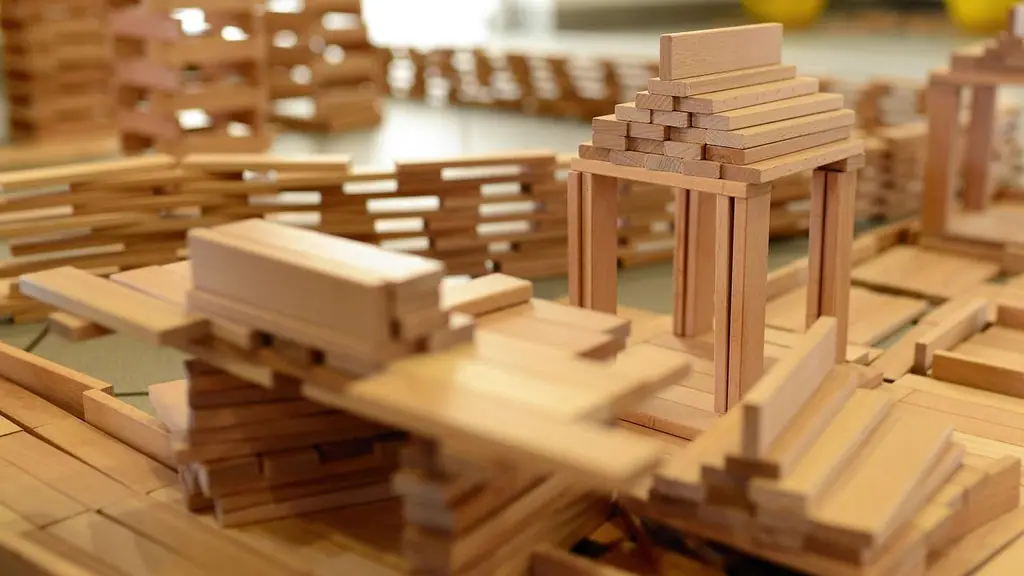
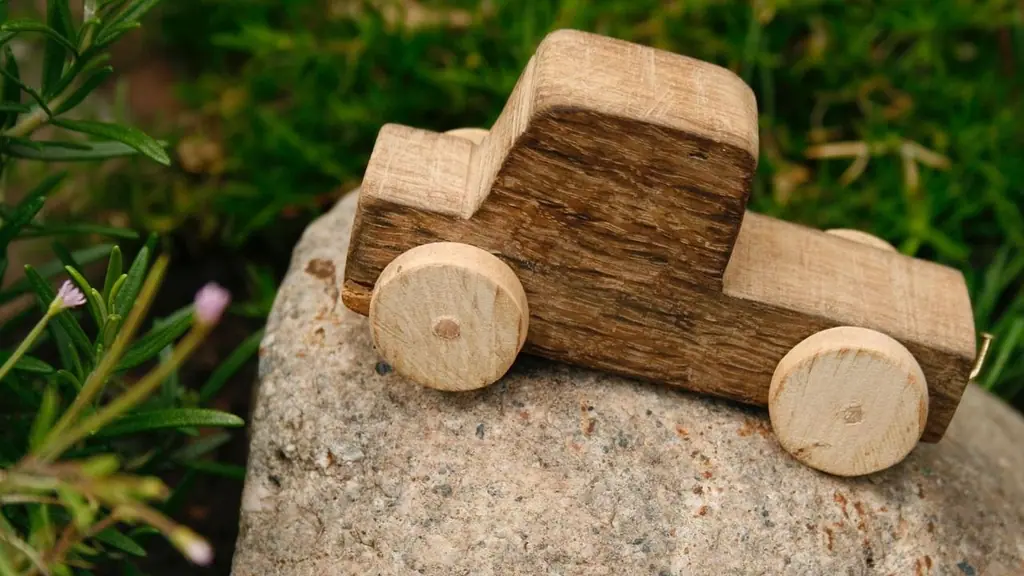
An open-ended toy is one a child drives. A wooden block can be a phone, a wall, a car, a slice of cake or a unit of measurement. A toy that plays a song when you press a button mostly does one thing, and once the child has pressed the button, the toy has done most of the work.
The American Academy of Pediatrics' clinical report on choosing toys emphasizes that toys are most valuable when they are part of play that is rich in language, pretending, problem-solving and creativity, and especially when they bring caregivers and children together. Its family summary is direct: no specific toy is necessary for a child to reach the next developmental milestone, and digital toys should never take the place of real, face-to-face play.
The checklist
Run any toy, new or secondhand, through these questions. A good open-ended toy will score well on most of them.
You’ll need
- Many uses. Can your child think of at least three different ways to play with it?
- Child-powered. Does the child make it do something, rather than watch it do something?
- Grows with the child. Will it still be interesting in a year or two, used in a more complex way?
- Invites building or pretending. Does it combine with other toys to make a scene, a structure or a story?
- Works for more than one child. Can siblings or friends play with it together?
- Invites a grown-up in. Is it easy for you to sit down and join in?
- Durable. Will it survive being dropped, stepped on, stacked and thrown into a bin?
- Easy to store and tidy. Does it have a simple home, like a basket or bin?
- Safe for the youngest child in the house. Not just the child it is for (see the safety section below).
A few warning signs: lots of pieces that only work one way, heavy reliance on screens or batteries for the "play," and labels promising specific academic results. The AAP's family guidance suggests being skeptical of "educational" labels, noting that many digital products marketed that way mostly target rote skills like letters and shapes.
Open-ended toys by category and age
The table describes kinds of toys, not products. Many items appear in more than one band because they grow with the child.
| Category | Toddlers (1–3) | Preschool (3–5) | Early school (5–8) | Big kids (8–12) |
|---|---|---|---|---|
| Building | Large soft or wooden blocks, stacking cups, big cardboard boxes | Wooden unit blocks, large interlocking bricks | Smaller interlocking bricks, planks, marble runs | Complex construction sets, cardboard engineering, simple woodworking with an adult |
| Pretend | Toy animals, a doll, a toy phone, pots and wooden spoons | Play food, dress-up clothes, a toy kitchen or shop | Puppets, costume boxes, small-world figures | Prop-making materials, role-play games, model scenes |
| Art and making | Chunky crayons, large paper | Washable paints, play dough, child-safe scissors | Clay, collage boxes, simple looms | Sketchbooks, craft kits that teach a technique |
| Movement | Push toys, soft balls, a low ride-on | Balls of various sizes, a balance board | Jump rope (with supervision), a scooter with a helmet | Sports equipment, a bike with a helmet |
| Loose parts | Large fabric scarves, nesting boxes | Shells, pinecones, large buttons (only for children who no longer mouth objects) | Bottle caps, tubes, clothespins | Recycled materials for building |
Our guide to what construction play builds goes deeper into blocks and bricks, and building a dress-up box that gets used covers pretend play by age. For browsing everything we have for the youngest children, see the toddlers age page.
Making a decision
- Look at what your child already does. If they spend hours lining things up, a set of blocks or toy vehicles will fit. If they act out stories, think props and figures.
- Check what you already own. Often the missing piece is not a new toy but a way to combine old ones: animals plus blocks plus a sheet becomes a zoo.
- Run the checklist. Especially "many uses" and "grows with the child."
- Check the label and safety points. Age grading, small parts, magnets, batteries, recalls.
- Plan where it will live. If there is no space for it, it may be time to rotate or pass something on. Our toy rotation guide helps.
Safety first
- Read the age label. Age grading on toy packaging reflects safety as well as interest. Federal rules ban small parts in toys and other products intended for children under 3, because they can cause choking, and toys for ages 3 to 6 that contain small parts must carry a choking-hazard warning. A toy labeled for older children may not be safe for a younger sibling.
- Magnets. Avoid toys and objects with small, powerful magnets around young children. The CPSC's magnet standard requires that loose or separable magnets in covered products be either too large to fit in the small-parts cylinder or weak enough to reduce the risk of internal injury. Swallowed magnets can attract each other through the intestines and cause serious injury.
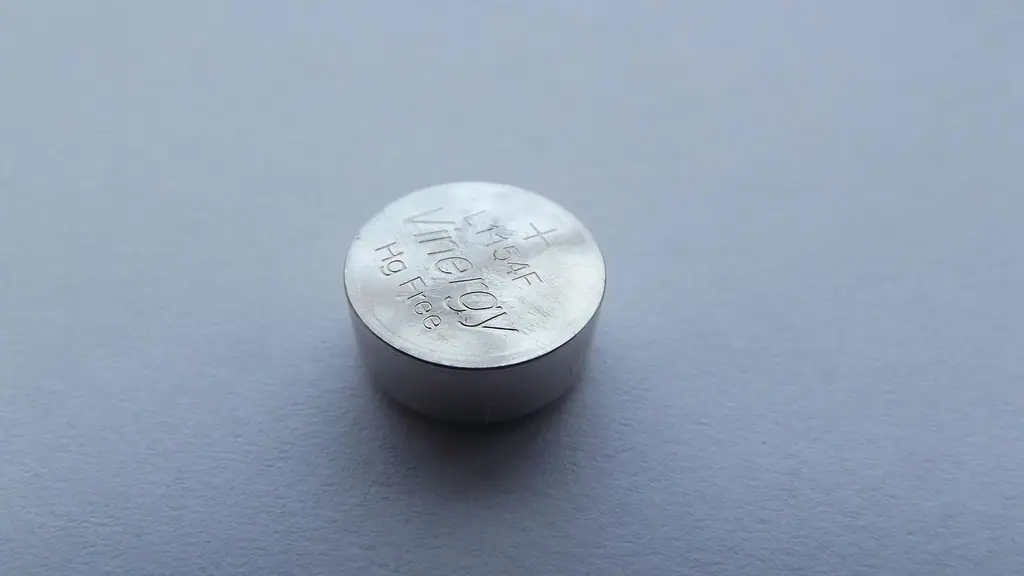
- Button and coin batteries. Under Reese's Law, battery compartments on covered household products must need a tool or two separate simultaneous hand movements to open, and toys, which are covered by the separate federal toy standard, are also required to have a secure battery closure. Check that compartments are closed and undamaged, and keep loose batteries out of reach.
- Cords and strings. Avoid toys with long cords, strings or straps for young children.
- Recalls. Check secondhand and hand-me-down toys against the U.S. Consumer Product Safety Commission's recall listings before passing them to a child.
- Our toy safety checklist by age has the full details and what to do in an emergency.
What they’re learning
The AAP's report on play describes play as a way children practice social-emotional, language, cognitive and self-regulation skills, and its report on toys highlights play that is rich in language, pretending, problem-solving and creativity. Open-ended toys tend to invite exactly that kind of play: building, inventing and talking it through, often with a grown-up or a sibling. They are one ingredient, not a guarantee, and children develop at their own pace whatever the toy shelf holds.
Grown-up tip
Before buying anything new, try a week of "remix" play: put two unrelated toys side by side (blocks and toy cars, play dough and toy animals, scarves and a cardboard box). It costs nothing and often shows which kind of toy your child would actually use.
Keep it simple
The best open-ended collection is usually smaller than you expect: a set of blocks, some figures, art supplies, a few balls and a box of loose parts covers a lot of ground. To understand the bigger idea behind it, read our explainer on open-ended play and how to encourage it at home.
Sources
- Selecting Appropriate Toys for Young Children in the Digital Era, Pediatrics (American Academy of Pediatrics)
- Toy Buying Tips for Babies & Young Children: AAP Report Explained, American Academy of Pediatrics (HealthyChildren.org)
- The Power of Play: A Pediatric Role in Enhancing Development in Young Children, Pediatrics (American Academy of Pediatrics)
- Small Parts Ban and Choking Hazard Labeling, U.S. Consumer Product Safety Commission
- Magnets Business Guidance, U.S. Consumer Product Safety Commission
- Making Families Safer from Button Cell or Coin Battery Dangers; Reese's Law Leads to New Federal Mandatory Safety Standard, U.S. Consumer Product Safety Commission