By two o'clock on a wet Saturday, the puzzles are done, the snacks are eaten and someone is bouncing off the sofa. The usual list of "fun indoor ideas" does not help much at that point, because half of them take ten minutes and the other half need a trip to the craft store.
This list is different. Every activity here is chosen to fill a real stretch of time, uses things most homes already have, and is sorted by age so you can skip straight to what fits. Each one comes with an honest prep time, a mess rating and the safety point that matters most. Mix one active idea with one calm one and you have most of an afternoon.
Before you start: the rainy-day kit
You’ll need
- Painter's tape or masking tape (gentle on floors and walls)
- Sheets, blankets, clothespins and cushions for forts
- Cardboard boxes, paper towel tubes and egg cartons
- Paper, crayons, markers, child-safe scissors and glue sticks
- Pots, pans, wooden spoons and plastic containers
- Bean bags or rolled-up socks for throwing
- Homemade or store-bought playdough and simple tools
- Envelopes, a padlock with a number code or a lockable box (for big kids)
How to plan the afternoon
- Start active. Children who have been cooped up all morning settle better after they have moved. The CDC says children aged 3 to 5 should be physically active throughout the day, and the WHO's guidelines for under-5s recommend at least 180 minutes a day of varied physical activity.
- Follow with something absorbing. A build, a craft or a story game that can run for 45 minutes or more.
- Leave a gap. Unstructured time with a box of open-ended things is when children often invent their own game.
- End with a calm, shared activity while you tidy up together.
Toddlers (1–3)
| Activity | Prep | Mess | What to do | Safety note |
|---|---|---|---|---|
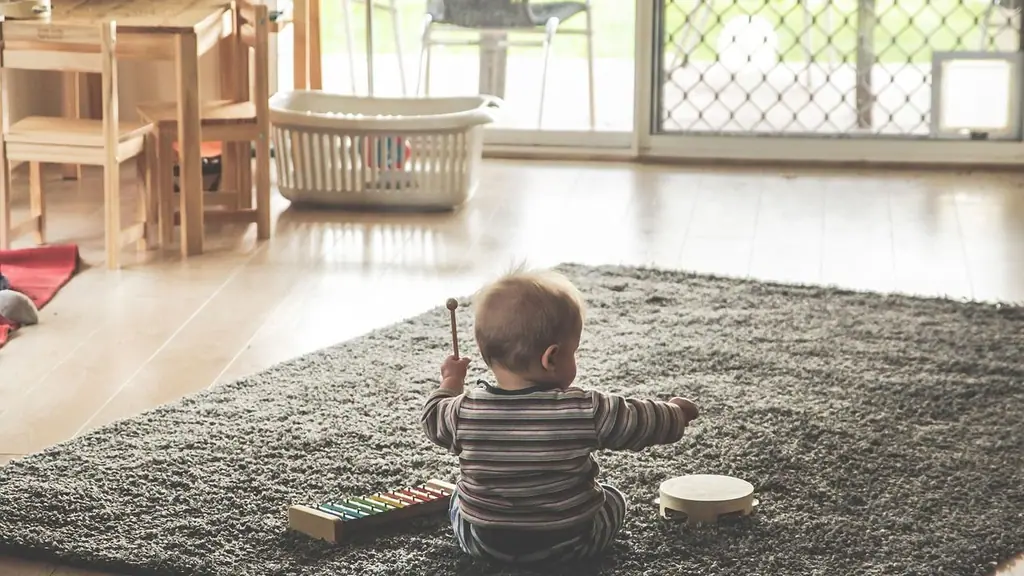
| Pots-and-pans band | 2 min | Low (loud) | Turn a pan upside down, hand over wooden spoons, play music and march. Copy their rhythm, then let them copy yours. | Wooden or silicone spoons only; no glass lids. |
| Tape roads | 5 min | None | Tape a road with curves, a "parking lot" and a tunnel under a chair. Drive cars, push trucks, walk the line like a tightrope. | Large vehicles only, no small detachable wheels. |
| Laundry-basket train | 2 min | None | Pull a basket of soft toys around the house; let them be the driver. | Pull slowly on a clear floor; no riding down steps. |
| Posting box | 5 min | Low | Cut a slot in a box lid and let them post jar lids, cards or envelopes. | Use items too big to swallow; CPSC rules treat anything that fits in a small-parts cylinder as a choking hazard for under-3s. |
| Table tent | 5 min | None | Drape a sheet over the kitchen table for an instant den. See the table tent for toddlers. | Sheet tucked so it cannot be pulled with heavy things on top; an open side always. |
Preschool (3–5)
| Activity | Prep | Mess | What to do | Safety note |
|---|---|---|---|---|
| Blanket fort and story world | 15 min | Medium | Build a low fort, then decide what it is today: a cave, a castle, a spaceship. | Low and stable, nothing heavy on the roof, cool LED lights only. |
| Playdough bakery | 5 min | Medium | Make cakes, cookies and pizzas with cutters and a rolling pin; open a shop with pretend money. | Watch for tasting; keep homemade dough away from children who eat it. |
| Sock puppet show | 15 min | Low | Decorate socks with marker or glued-on felt shapes, drape a sheet over a table edge for a stage, and perform. | Glue on felt, not buttons or googly eyes, if a younger sibling is around. |
| Animal moves | 0 min | None | Call out animals and move like them: hop like a frog, stomp like an elephant, slither like a snake. | Clear the floor of toys and push back sharp-edged tables. |
| Indoor scavenger hunt | 5 min | Low | Hunt for "something red," "something soft," "something that rolls." | Keep the hunt away from cleaning cupboards and medicine. |
Early school (5–8)
| Activity | Prep | Mess | What to do | Safety note |
|---|---|---|---|---|
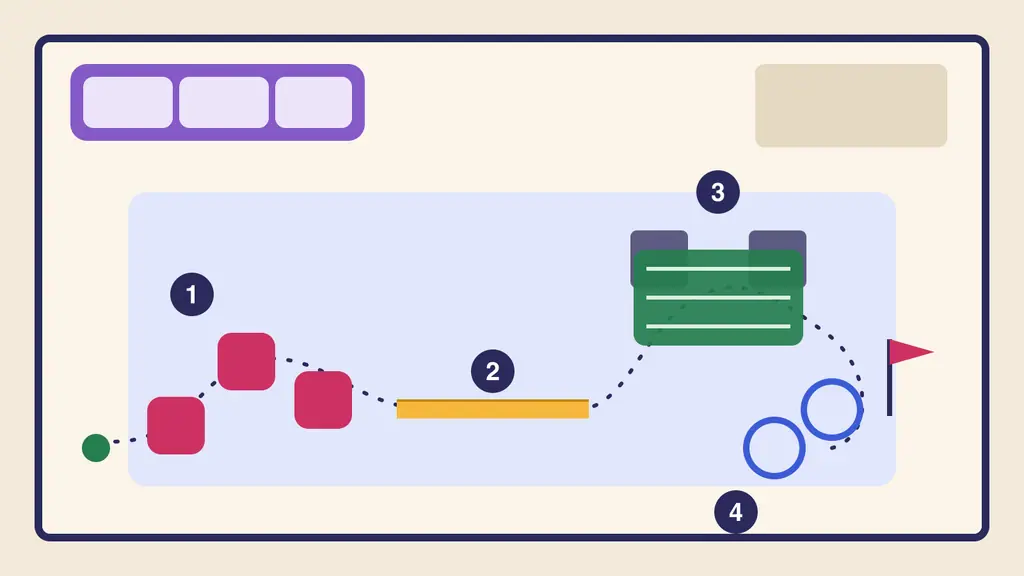
| Obstacle course | 15 min | Medium | Crawl under chairs, step across cushions, balance on a tape line, toss bean bags into a basket. Time each run. Full guide: indoor obstacle course ideas. | No climbing on shelves; anchored furniture only; cushions on a non-slip surface. |
| Cardboard build | 10 min | High | Turn a big box into a car, a shop or a rocket. | A grown-up does any cutting with a craft knife. |
| Paper airplane contest | 5 min | Low | Fold three designs and test which flies farthest down the hallway. | Fly away from faces; no pointed tips aimed at people. |
| Newspaper tower | 5 min | Medium | Build the tallest free-standing tower from newspaper and tape. | Tape and paper only; no standing on chairs to reach the top. |
| Treasure map hunt | 15 min | Low | They hide a "treasure" and draw a map for you to follow, then swap. | Hiding places stay on the ground floor and out of appliances. |
Big kids (8–12)
| Activity | Prep | Mess | What to do | Safety note |
|---|---|---|---|---|
| Homemade escape room | 30 min (or they build it for siblings) | Low | Hide a series of clues: a riddle leads to a book, the book holds a code, the code opens a padlocked box with a prize. | No locking anyone in a room or closet; the "locked" thing is always a box. |
| Engineering challenge | 5 min | Medium | Build a bridge from paper that holds the most coins, or a tower that survives a "wind" test from a fan on low. See STEM building challenges by age. | Keep coins and small weights away from younger siblings. |
| Fort engineering | 20 min | Medium | Design a bigger fort with a plan, a budget of sheets and a doorway that opens. | Nobody climbs on the structure; nothing heavy on top. |
| Stop-the-clock fitness circuit | 10 min | None | Design a circuit of jumping jacks, wall push-ups and plank holds, then challenge the family. The CDC recommends 60 minutes or more of moderate-to-vigorous activity daily for ages 6 to 17. | Clear space, bare feet or sneakers on a non-slip floor. |
| Board game marathon | 0 min | Low | Pull out the longest game in the house and play it properly, rules and all. | Keep game pieces off the floor if toddlers are around. |
Safety first
- Supervise to match age. Toddlers need a grown-up within reach; older children need someone nearby who checks setups before play starts.
- Small parts and the youngest. Keep beads, coins, bottle caps, balloons, magnets and button batteries away from under-3s and anyone who mouths objects.
- Forts stay low and open. Stable furniture that cannot tip or slide, nothing heavy on top, breathable fabrics, an open side and cool LED lights only. Never use candles or plug-in lamps inside.
- Furniture and windows. The American Academy of Pediatrics advises anchoring tall furniture to the wall and keeping anything a child could climb on away from windows.
- Cords. Keep blind cords out of reach and keep strings and ropes away from young children's necks.
- Tools. Craft knives and hot glue guns are grown-up-only tools.
Our safety page covers the general principles.
What they’re learning
What they're learning
- Moving and growing. CDC and WHO guidance both emphasize regular physical activity for young children; active indoor games help on days when outdoor play is off the table.
- Playing together. The American Academy of Pediatrics' report The Power of Play describes play with parents and peers as an opportunity to build social-emotional, language and self-regulation skills, and notes the value of shared enjoyment in play.
- Planning and problem solving. Designing a course, building a box or writing escape-room clues gives children practice in planning, testing and trying again.
Grown-up tip
Grown-up tip: Write each activity on a slip of paper and keep them in a jar. On a gray morning, let children draw two: one active, one calm. Or print our rainy-day activity cards and keep the deck by the door.
When the rain lasts all week
A single wet afternoon is easy. A whole week indoors calls for rhythm: one big project that grows each day (a cardboard town, a fort that gets a new room every afternoon), a short active burst morning and afternoon, and a daily stretch of free play with no plan at all. For a longer list without screens, see screen-free activities by age.
Sources
- The Power of Play: A Pediatric Role in Enhancing Development in Young Children, Pediatrics, American Academy of Pediatrics clinical report (2018), via PubMed
- Child Activity: An Overview, Centers for Disease Control and Prevention
- To grow up healthy, children need to sit less and play more, World Health Organization
- Home Safety: Tips for Families With Young Children, American Academy of Pediatrics, HealthyChildren.org
- Small Parts Ban and Choking Hazard Labeling, U.S. Consumer Product Safety Commission