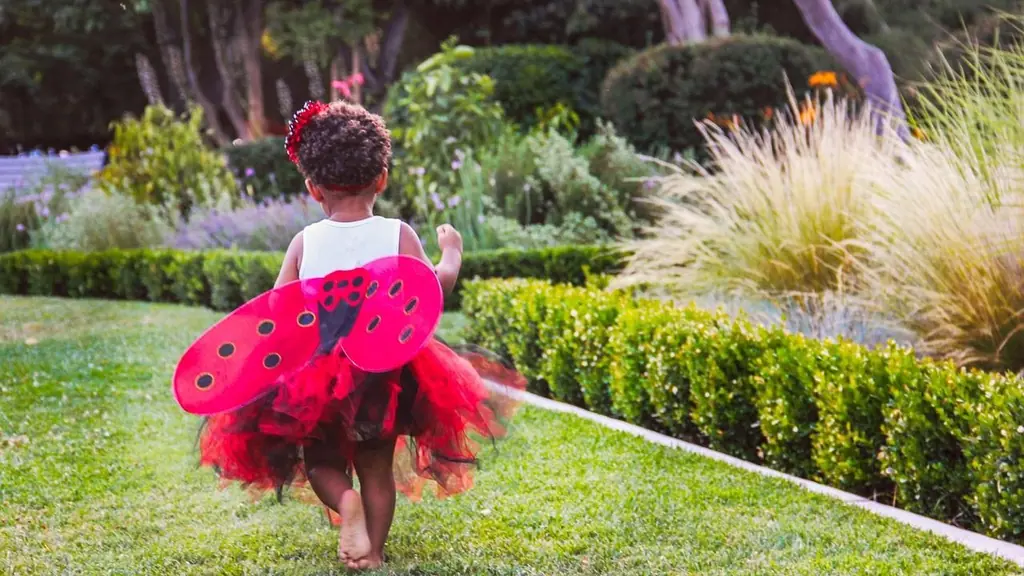
Most homes with young children have a dress-up box. Many of those boxes are full of costumes that were worn once, at a party, and now sit at the bottom under a tangle of tutus. The box that gets used every week usually looks less exciting: a few scarves, a cape, some hats, an apron, a pair of grown-up shoes.
The difference is flexibility. A licensed character costume tends to be one thing, played one way. A long red scarf can be a cape, a river, a bandage, a royal sash, a fire, a flag or a dragon's tail before lunch. Open-ended pieces let children decide who they are, which is the whole point of dressing up.
This guide covers what to put in the box, how to set it up so children can actually find things, how to tweak it for toddlers through early school-age children, and the safety checks that matter most, especially around cords and small parts.
You’ll need
- A low, open container: a crate, laundry basket, under-bed box or a few hooks at child height
- 4–6 large scarves or fabric squares, about 3 feet (1 m) across, in different colors and textures
- 1–2 capes that fasten with hook-and-loop tape, or simple tabards that slip over the head with a wide opening
- A few hats: sun hat, knitted hat, firefighter-style hat, a homemade cardboard crown
- An apron or two, a vest and a grown-up's old shirt (great as a lab coat or doctor's coat)
- Bags and baskets for carrying things: a purse, a backpack, a basket
- A few props: a toy stethoscope without long tubing for toddlers, a clipboard, a wooden spoon, a cardboard tube "telescope"
- An unbreakable, child-safe mirror at child height
Set up the box in five steps
- Edit before you add. Empty the current box. Keep pieces that are flexible, comfortable and in good repair. Retire anything ripped, too small, scratchy or with ties around the neck.
- Aim for fewer, better pieces. Around 10–15 items is plenty at any one time. Children play longer with a small selection they can see.
- Store it where children can reach it. Shallow, open containers or low hooks beat a deep chest. If they have to dig, they will give up.
- Add a mirror and a little space. Dressing up is half the fun; seeing the result is the other half.
- Rotate every few weeks. Keep a second box out of sight. Swap a few pieces in and out so the box feels fresh without buying anything. Our toy rotation guide explains how.
Open-ended pieces versus single-character costumes
There is nothing wrong with a favorite superhero suit. The trick is balance: let the box be mostly flexible pieces with one or two characters in the mix.
| Open-ended piece | Ways it gets used |
|---|---|
| Large scarf or fabric square | Cape, skirt, sling, river, picnic blanket, magic carpet, ghost |
| Plain cape with hook-and-loop fastening | Superhero, royalty, wizard, bat, vampire, bird |
| Apron | Chef, shopkeeper, artist, scientist, baker |
| Grown-up's old shirt | Doctor, painter, vet, office worker, detective |
| Hats | A quick way to switch roles mid-game |
| Bags and baskets | Shopping, picnics, deliveries, packing for a trip |
Variations by age
Toddlers (1–3)
Toddlers love simple pieces they can manage alone: hats, scarves to drape, bags to fill and empty, a soft apron. Expect lots of putting on and taking off, which is play in itself. ZERO TO THREE describes toddlers around age 2 beginning to pretend by acting out familiar routines, so props from daily life (a purse, a sun hat, a baby doll carrier) often get more use than fantasy costumes.
Keep everything large, soft and free of small decorations. Skip anything that goes over the head unless it has a very wide opening, and stay close while they dress up.
Preschool (3–5)
This is peak dress-up age. Preschoolers enjoy roles with clear jobs (doctor, firefighter, chef, shopkeeper) and fantasy roles (dragon, fairy, astronaut). Add props that suggest a scene: a clipboard, an empty cereal box for a shop, a toy phone. Encourage them to dress soft toys too. The CDC's milestones for 4-year-olds include pretending to be something else during play, such as a teacher, superhero or dog.
Early school (5–8)
Older children start inventing whole characters and plots, often with friends. Give them materials to make their own costumes: paper crowns, cardboard armor, fabric scraps and safety pins (with supervision) or tape. A "costume workshop" box with felt, paper plates, tape and markers turns dress-up into a craft project. They may also enjoy staging a short play for the family, with tickets.
Safety first
- No cords or ties around the neck. The CPSC treats neck and hood drawstrings on children's outerwear as a strangulation hazard, and drawstrings can catch on objects such as playground slides. Apply the same logic to costumes: capes and cloaks should fasten with hook-and-loop tape that releases under a pull, or simply drape over the shoulders. Cut off neck strings, ribbons and long ties.
- No long loops anywhere. Remove long belts, cords and elastic loops that could catch on furniture, doors or the fort.
- Small parts for the youngest. The CPSC's small-parts rule exists because small pieces are a choking hazard for children under 3. Remove beads, sequins, pom-poms, buttons and plastic gems that could come off, and check costumes regularly for loose pieces.
- Flame resistance. The American Academy of Pediatrics advises looking for "flame resistant" on costume labels, including wigs and accessories. Keep all costumes away from candles, heaters and open flames.
- Fit and vision. The AAP also advises costumes short enough to prevent tripping, and hats that do not slide over the eyes or block vision. Prefer face paint tested on a small patch of skin, or no face covering at all, over masks.
- Props. Avoid sharp or long swords and sticks; cardboard tubes and foam work fine.
- Footwear. Grown-up shoes and heels are for indoor play on a flat floor, not stairs.
General principles are on our safety page, and costume checks by age are in toy safety by age.
What they’re learning
What they're learning
- Stepping into a role. The CDC lists pretending to be something else during play among milestones for 4-year-olds, and ZERO TO THREE describes pretend play as an early use of symbols, where one thing stands for another.
- Self-care skills. Pulling on hats, managing hook-and-loop tape and stepping into a costume gives young children practice with dressing themselves.
- Talking and negotiating. Shared dress-up play involves agreeing roles, swapping pieces and explaining the story to others.
Grown-up tip
Grown-up tip: Add one unusual piece each rotation, like a grown-up's tie worn as a belt, a fabric shower curtain as a cloak, or a hard hat from a garage sale. Novelty in a familiar box is often what revives a forgotten corner.
Where to go from here
Dress-up comes alive in a setting. Pair the box with a blanket fort and our story-world prompts, or set up a shop or vet's office in a corner. For the bigger picture on why make-believe matters, and what the research does and does not say, read what pretend play does for children. And when the box needs a refresh, our checklist for choosing open-ended toys applies just as well to costumes.
Sources
- CPSC Issues New Drawstring Safety Rule for Children's Outerwear, U.S. Consumer Product Safety Commission
- Halloween Fun & Safety Tips for Kids of All Ages, American Academy of Pediatrics, HealthyChildren.org
- Small Parts Ban and Choking Hazard Labeling, U.S. Consumer Product Safety Commission
- Stages of Play from 24–36 Months: The World of Imagination, ZERO TO THREE
- Milestones by 4 Years, Centers for Disease Control and Prevention