Most toy injuries are not about dramatic defects. They come from ordinary things in the wrong hands: a marble that belongs to a big sister, a coin battery that rolled out of a remote, a magnet from a desk toy, a strap long enough to loop around a neck. Knowing the handful of hazards that matter most, and which ages they matter for, does more than any amount of worrying.
This checklist is organized by age band and draws on guidance and rules from the U.S. Consumer Product Safety Commission (CPSC). Keep the emergency section somewhere you can find it fast.
Safety first
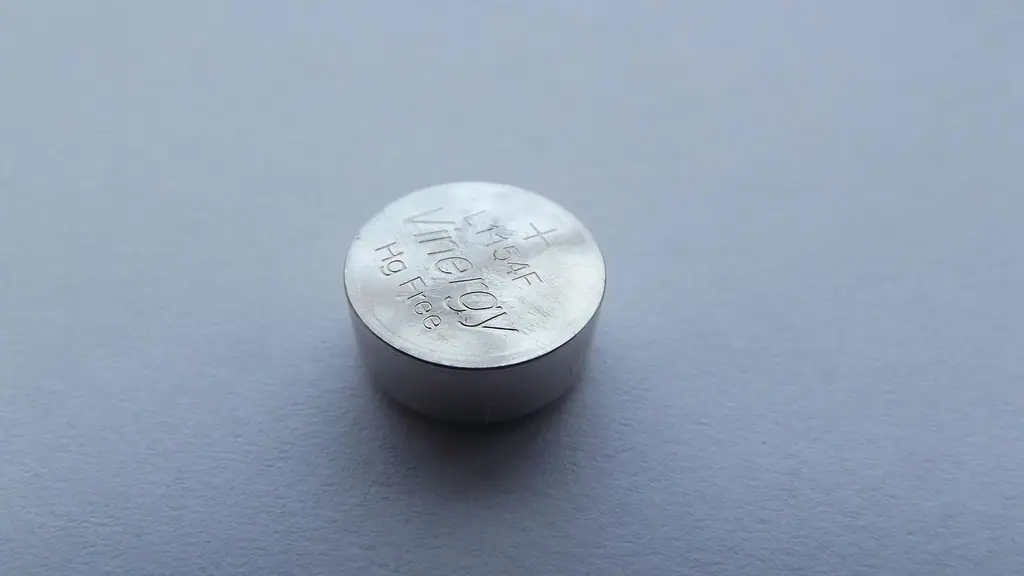
If you think a child has swallowed a button or coin battery: go to the nearest emergency department immediately, and call the National Battery Ingestion Hotline (800-498-8666) or Poison Help (800-222-1222) for treatment information. These batteries can burn through a child's throat or esophagus in as little as two hours. The CPSC passes on the National Capital Poison Center's advice that children 12 months and older may be given honey on the way to the hospital (10 mL every 10 minutes, no more than six doses, only if the battery was swallowed within the past 12 hours), but do not delay going to the emergency room to find or give honey.
If you think a child has swallowed a magnet, or more than one: get emergency medical care right away. Swallowed magnets can attract each other, or other metal, through the walls of the intestines.
If a child is choking and cannot breathe, cough or speak, call 911 and begin first aid if you are trained.
The small-parts test cylinder, explained
Federal law bans small parts in toys and other children's products intended for children under 3, because they can be swallowed, inhaled or choked on. To decide what counts as a small part, regulators use a test cylinder that approximates the size of a fully expanded throat of a child under three. CPSC staff describe it as about 2.25 inches (57.1 mm) long by 1.25 inches (31.7 mm) wide.
A small part is any object that fits entirely inside that cylinder, in any orientation, without being squeezed. It can be:
- a whole toy;
- a separate piece of a toy or game;
- a piece that breaks off when the toy is dropped, twisted, pulled or squeezed in testing designed to simulate rough use by a young child.
A few things to know:
- It applies to toys intended for under-3s. A toy labeled "3+" can legally contain small parts. Toys for ages 3 to 6 that contain small parts must carry a choking-hazard warning, which is a clear signal to keep them away from younger siblings.
- Some items are exempt because they cannot be made without small pieces, such as crayons, chalk, books, modeling clay and balloons. That does not make them safe for a toddler to mouth.
- You can test at home. Inexpensive small-parts testers that match the official cylinder are widely sold. If something drops all the way in, keep it away from children under 3 and any older child who still mouths objects.
- Round objects are a special risk. Balls, marbles and similar shapes carry their own warning labels, and the CPSC advises keeping small balls and toys with small parts away from children younger than 3.
Checklist by age band
Toddlers (1–3)
- No toys or pieces that fit in the small-parts cylinder, including those that could break off.
- No marbles, small balls, coins or bottle caps within reach.
- No balloons, inflated or not (see below).
- No toys with button or coin batteries unless the compartment is secured with a screw; check that it is closed.
- No small, powerful magnets, and no toys where magnets could come loose.
- No cords, strings, ribbons or straps that could wrap around a neck. Cut them off toys if needed.
- Stuffed toys with secure eyes and seams; check for loose stuffing.
- Check the floor after older siblings play.
Preschool (3–5)
- Toys with small parts are legally allowed from age 3 but still need supervision, especially for children who mouth objects.
- Keep older siblings' sets with small pieces, magnets or marbles in a separate, closed bin.
- No balloons without an adult in charge.
- Riding toys and scooters come with a helmet, worn every time.
- Battery compartments closed and secured; spare batteries locked away.
Early school (5–8)
- Balloons: the CPSC advises keeping deflated balloons away from children younger than 8. Uninflated balloons and pieces of popped ones can choke or suffocate a child. An adult inflates them, stays nearby, and discards broken pieces at once.
- Magnetic construction sets made for children are covered by the toy standard, but check regularly for cracked pieces that could release a magnet.
- Craft kits: follow age labels for tools, glues and paints.
- Helmets and other safety gear for bikes, scooters and skates.
Big kids (8–12)
- Small, powerful magnets from desk toys, magnet sets and "fidget" items are a hazard at any age; the CPSC notes that older children and teens have swallowed them, including while using them to mimic piercings. The agency urges anyone who owns hazardous magnet sets to discard them.
- Remind older children to keep their small parts, batteries and magnets away from younger siblings.
- Chargers and battery packs: use the ones supplied, and stop using anything damaged or overheating.
Magnets: what changed
When high-powered magnets are swallowed, they can attract each other through internal tissue, causing perforations, twisting or blockage of the intestines, infection, blood poisoning and death. A federal safety standard approved by the CPSC in 2022 requires that loose or separable magnets in covered products, such as magnet sets, magnetic jewelry and stress-relief items, either be too large to fit in the small-parts cylinder or be weak enough to reduce the risk of internal injury. Toys for children under 14 are covered separately by the mandatory toy standard. Older magnet products already in homes may not meet the newer rules.
Button and coin batteries: Reese's Law
Reese's Law, enacted on August 16, 2022, led to a mandatory federal standard for products that contain button or coin batteries. Battery compartments on covered products must either need a tool, such as a screwdriver or coin, to open, or need at least two independent and simultaneous hand movements. Products must pass tests simulating foreseeable use and misuse, and the batteries themselves must be sold in child-resistant packaging. Toys for children under 14 are covered by the separate federal toy standard instead, and the CPSC notes that toys with these batteries are required to have a secure closure.
At home, that means: check that battery compartments on toys and household items (remotes, key fobs, greeting cards, flameless candles) are secure; repair, replace or discard anything with a damaged compartment; and keep loose batteries, new and used, out of reach.
Cords, strings and straps
The CPSC warns that strings and straps on toys, such as toy guitar straps, can strangle a young child if they become twisted around the neck, and that most young children cannot untwist a cord. Its advice: never give young children toys with cords, strings or straps that fit around the neck, cut them off toys given to young children, and give toys with straps only to older children. Keep play areas, cribs and forts away from window-blind cords too.
Checking recalls
- Search before you pass it on. The CPSC advises checking secondhand products against its recalls listings before buying.
- Look for the details. Product name, model number and date codes are usually printed on the toy, its packaging or a tag.
- Act on a match. Stop using the toy, put it out of reach and follow the recall's remedy.
- Report problems. Unsafe products and injuries can be reported to the CPSC through SaferProducts.gov.
What they’re learning
Toy safety rules are not a reason to avoid play; they are what make open, hands-on play possible. Matching toys to age and checking them now and then lets children explore freely without a grown-up hovering over every piece. For guidance on what to look for when choosing toys, see how to choose open-ended toys.
Grown-up tip
Fold safety checks into routines you already have. Every time you rotate toys, look for broken pieces and loose battery covers. For messier play, our guide to sensory bins without the hazards covers fillers by age, and lighting a fort safely covers battery-operated lights. Our safety page gathers the general principles in one place.
Sources
- Small Parts Ban and Choking Hazard Labeling, U.S. Consumer Product Safety Commission
- Child Safety: Summary Information for Small Parts, 16 C.F.R. Part 1501, U.S. Consumer Product Safety Commission
- Making Families Safer from Button Cell or Coin Battery Dangers; Reese's Law Leads to New Federal Mandatory Safety Standard, U.S. Consumer Product Safety Commission
- CPSC Approves New Federal Safety Standard for Magnets to Prevent Deaths and Serious Injuries from High-Powered Magnet Ingestion, U.S. Consumer Product Safety Commission
- Holiday Safety, U.S. Consumer Product Safety Commission
- Strings and Straps on Toys Can Strangle Young Children, U.S. Consumer Product Safety Commission