A slide is always a slide. A pile of crates, three planks and an old tire can be a pirate ship before lunch, a bus after it and a bridge over a lava river by the time the sun goes down. That is the whole idea behind loose parts: materials children can carry, stack, combine and rebuild, so the play changes because they change it.
You can create a loose-parts corner in almost any yard, and much of it costs nothing. This guide covers what to collect, how to check it, how to keep it fresh with rotation and where to put it all when play is over.
Loose parts in plain language
The phrase comes from a 1971 essay by the artist and designer Simon Nicholson, published in Landscape Architecture, which argued that the amount of invention and discovery in a space depends on how many things in it can be moved and changed. A fixed play structure offers a handful of options. A collection of movable parts offers more than anyone can count.
Researchers are still catching up with this enthusiasm. A 2015 systematic review of risky outdoor play by Brussoni and colleagues included school studies in which adding loose materials to playgrounds was followed by more physical activity at break time; in one of them, teachers reported children becoming more social, creative and resilient. A 2019 review by Kuo and colleagues notes, fairly, that the developmental effects of loose-parts play have not yet been shown in measured, quantitative terms. In short: promising, popular and low cost, but not a miracle.
You’ll need
- Crates: sturdy plastic milk or storage crates with no cracks
- Planks: short, smooth boards, about 3–4 feet (0.9–1.2 m) long and light enough for two children to carry
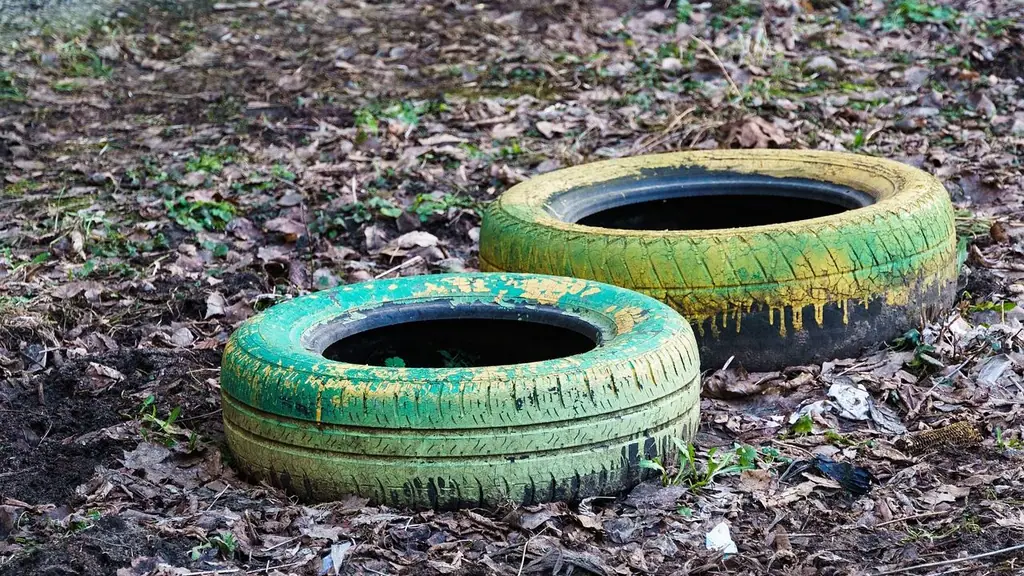
- Tires: one or two old car or bike tires, cleaned and with drainage holes drilled by an adult
- Tubes and pipes: large cardboard tubes, short lengths of wide plastic drainpipe or guttering
- Fabric: old sheets, shower curtains, a small tarp, clothespins
- Containers: buckets, baskets, cardboard boxes (for dry days)
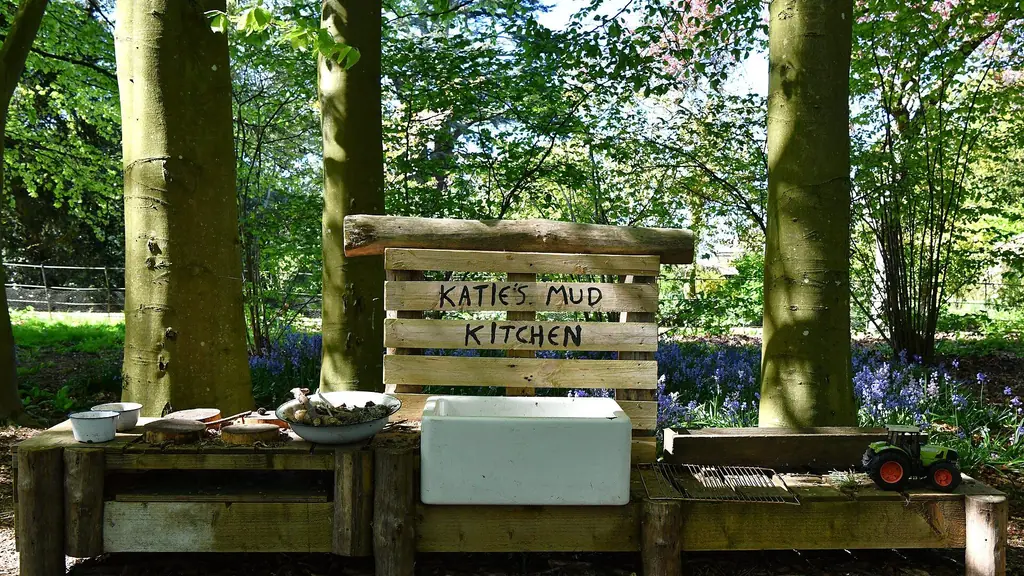
- Natural parts: logs and stumps (too heavy to tip easily), sticks, pinecones, big leaves
- Extras: traffic cones, hoops, a steering wheel from a thrift store, chalk
- Storage: a lidded outdoor bin, a shed shelf or a tarp to cover the pile
Setting up a loose-parts corner
- Pick the ground. Choose a flat, open area of grass, wood chips or soft earth, away from fences, walls, paths and anything hard that a child could fall onto.
- Collect gradually. Start with ten to fifteen items: a few crates, two or three planks, a tire, some fabric. Ask neighbors and local businesses for clean crates and offcuts.
- Check every item. Sand rough edges; pull or hammer down nails and staples; throw out rotten, cracked or split wood. Inspect tires for exposed steel wires, which CPSC flags as a hazard on tire play equipment.
- Prepare tires. Scrub them, and have an adult drill a few holes in the lowest part so rainwater drains out instead of collecting.
- Introduce it without instructions. Lay the parts out, say "this is for building," and step back. Resist suggesting what to make.
- Agree a few rules together. For example: build low, carry planks with a partner, check your structure before you stand on it, and tidy up together.
- Watch, then add. After a few sessions you will see what the play needs: more planks for bridges, more fabric for roofs, more crates for seats.
- Tidy up at the end. Planks flat, crates stacked no higher than a child's waist, fabric in a bin, tires lying flat.
Variations by age
| Age band | Good parts | Typical builds | Adult role |
|---|---|---|---|
| Preschool (3–5) | Lightweight crates, short planks laid on the ground, fabric, cones, buckets | Buses, shops, balancing paths, dens | Close by; planks stay flat on the ground or on a single crate height |
| Early school (5–8) | More crates, longer planks, tires, tubes, tarps | Bridges, obstacle courses, cars, forts | Nearby; check structures before children walk across them |
| Big kids (8–12) | Logs, guttering, a bucket pulley (supervised, no loops), measuring tape | Ramps, water channels, bigger shelters, engineering challenges | Available; agree height limits and inspect big builds |
Keeping it fresh: rotation
Children often play most inventively with a slightly unfamiliar mix. Rather than putting everything out at once, keep part of the collection in storage and swap a few items every week or two. Add one new material at a time: a basket of pinecones, a length of guttering, a tarp. The same thinking works indoors; our toy rotation guide explains how.
Storage that survives the weather
- Crates stack well and double as storage for smaller parts.
- Planks keep best lying flat on bricks or a simple rack off the ground, under cover so they do not warp or rot.
- Tires can stand against a wall in a cluster, but lay them flat if children might roll them into each other.
- Fabric should go in a lidded bin to stay dry and spider-free.
- Cardboard belongs indoors or in a dry shed; once soggy, recycle it.
Store the collection so children can reach and return things themselves. That alone makes tidy-up faster.
Safety first
- No ropes or cords for young children. Ropes, strings and cords can wrap around necks. CPSC warns that ropes and leashes attached to play equipment have caused strangulation deaths. Leave them out of the collection for preschoolers, never tie loops, and remove any rope tied to a structure after play.
- Splinters and nails: Check planks, crates and logs before each season and after storms. Sand or discard rough wood; remove nails, staples and screws.
- Skip pallets: They are heavy, splinter easily, hide nails and their treatment history is often unknown.
- Tires: Check for exposed steel wires; drill drainage holes; keep car tires low and flat rather than stacked tall.
- Heights: Keep builds low, especially for preschoolers. A good rule is that a child must be able to step down without help.
- Stacking: Supervise stacking and tipping of heavier items. Planks should rest securely on supports, not balance on edges.
- Clothing: No drawstring hoods or scarves while climbing, and helmets off.
- Supervision: Match it to age and the build. See our general safety principles.
What they’re learning
As they design and rebuild, children may practice planning, cooperation and negotiation, estimating length and weight, balance and coordination, and judging their own limits. The National Association for the Education of Young Children describes play as central to how young children learn. Research on loose parts specifically is still developing, so treat the benefits as skills children have the chance to practice rather than guaranteed outcomes.
Grown-up tip
Photograph the best builds before they are taken apart. Children often like to look back at them, and the photos show you which parts get used most.
Next steps
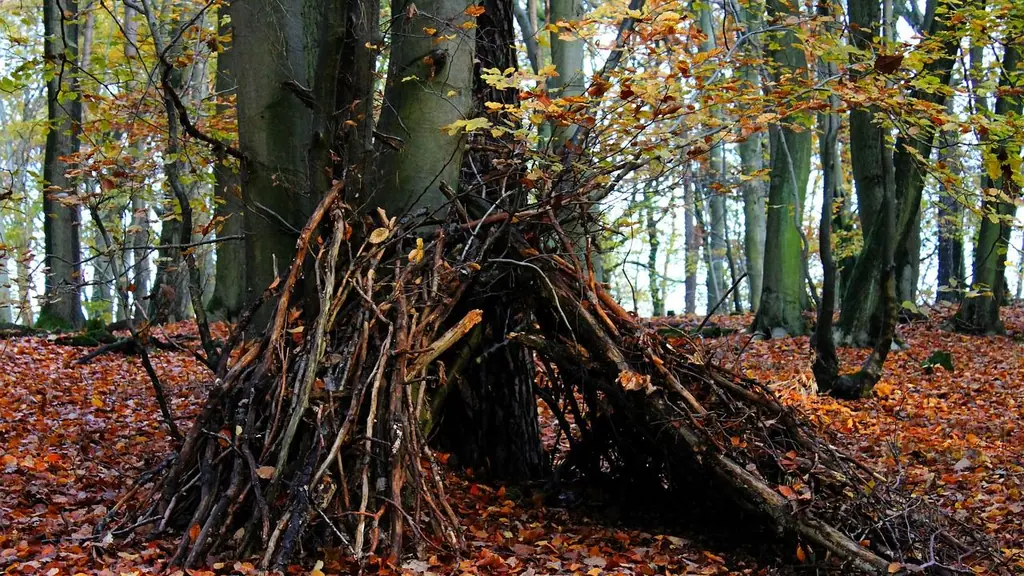
If height, speed and balance are making you nervous, our explainer on risky play shows how to tell a manageable risk from a hazard. Fabric and sticks lead naturally to shelters, so try building a den outdoors. For the thinking behind materials without a fixed purpose, read open-ended play explained, and for days when you want a prompt, print the construction challenge cards.
Sources
- What is the Relationship between Risky Outdoor Play and Health in Children? A Systematic Review, International Journal of Environmental Research and Public Health (Brussoni et al., 2015)
- Do Experiences With Nature Promote Learning? Converging Evidence of a Cause-and-Effect Relationship, Frontiers in Psychology (Kuo, Barnes and Jordan, 2019)
- Public Playground Safety Handbook, U.S. Consumer Product Safety Commission
- Managing Risk in Play Provision: Implementation Guide, Play Safety Forum (hosted by PlayBoard NI)
- Play, National Association for the Education of Young Children