A puddle, a patch of long grass and a stick that might be a wand or a fishing rod: a lot of children need very little more than that to disappear into play for half an hour. Nature play is simply unstructured time in green or wild-ish places, with room to poke, dig, collect, climb and wonder. It does not require a forest, a cabin or a free weekend.
This guide does two jobs. First, it lays out what the research actually supports, including where the evidence is weaker than enthusiastic headlines suggest. Second, it offers small, realistic ways to fit outdoor time into a week that is already full of school runs, work and dinner.
What the research supports
Two reviews are a useful starting point because they look across many studies rather than one.
In 2014, researcher Tim Gill published a systematic review in the journal Children, Youth and Environments of peer-reviewed studies on children under 12 spending time in nearby natural spaces. The review found benefits across several broad areas: physical health, emotional well-being, cognitive processes, social skills, behavior and children's attitudes toward the natural world. One of its more interesting findings concerned how children engage. Playful, child-led time outdoors was linked with health benefits and positive feelings about nature, while more structured approaches, such as school gardening projects and field trips, tended to show more educational gains. Gill describes time in nature as one part of a "balanced diet" of childhood experiences rather than a cure-all.
A 2019 mini review in Frontiers in Psychology by Ming Kuo, Michael Barnes and Catherine Jordan asked a narrower question: does contact with nature help children learn? The authors concluded that nature-based instruction generally outperforms traditional instruction, pointing among other things to a large randomized trial of school-garden lessons. They also describe associations between time in nature and qualities like perseverance, communication and calmer, more cooperative classrooms. They suggest possible pathways, including restored attention, lower stress and more physical activity.
Where the evidence is thin
Kuo and colleagues are candid about the limits, and they are worth repeating:
- Much of the earlier research on children and nature used weak designs, and some claims went further than the data.
- Evidence on personal development, such as resilience and leadership, is largely qualitative: interviews and observations rather than measured outcomes.
- Some findings are inconsistent. The evidence that green space increases physical activity, for example, is described by the authors as extremely mixed.
- Many studies show associations. Children who spend more time outdoors may differ in other ways too, such as family routines, neighborhood or income.
The fair summary: there are good reasons to think regular, playful time outdoors is good for children, and very few reasons to think it does harm when sensibly supervised. It is not a treatment, and it does not need to be justified by test scores. Fresh air, mud and freedom are worthwhile in their own right.
The 20-minute habit: small, regular, local
Long outings are lovely but hard to schedule. Short, frequent visits to the same nearby places are easier to keep up and give children the chance to notice changes over weeks and seasons. Twenty minutes is not a research threshold, just a length most families can fit in. Pick two or three anchors and repeat them:
| Slot in the week | Idea | Works best for |
|---|---|---|
| After school | Take the long way home through a park; stop at "our tree" each time | All ages |
| Before dinner | Ten minutes in the yard, balcony or street-side planter checking on bugs, buds and puddles | Toddlers, preschool |
| Weekend morning | Same short trail each week; keep a running list of what has changed | Early school, big kids |
| Bad-weather day | Five-minute "rain report" on the doorstep, then dry off and draw it | Everyone |
| Errand days | Pause at the green strip by the parking lot or library to look for three living things | Preschool, early school |
A few things help the habit stick. Keep a bag by the door with a magnifier, a small container for (temporary) treasures and a snack. Let the child set the pace; a walk that turns into fifteen minutes beside one ant trail is a success. Bring the nature scavenger hunt printable for days when a little structure helps.
Weather-ready clothing
Being cold, wet and miserable ends outdoor play faster than anything else. Layering is the practical answer:
- Base layer: something soft that does not stay soggy, such as a synthetic or wool-blend shirt, rather than a heavy cotton sweatshirt on cold days.
- Warm middle layer: fleece or a light insulated jacket that is easy to remove.
- Outer layer: a waterproof jacket and rain pants or overalls for wet days.
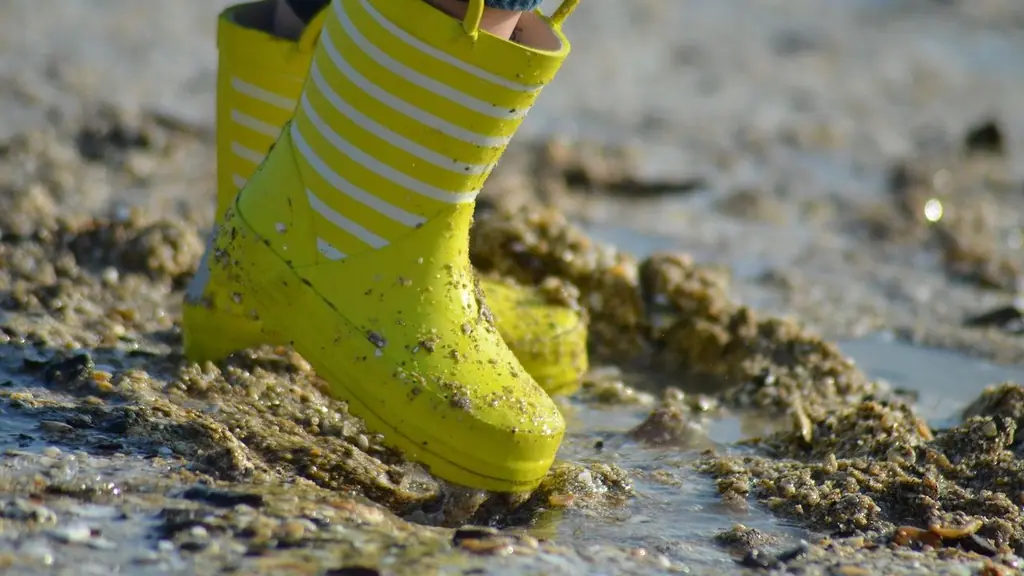
- Feet: rubber boots with warm socks for puddles; sturdy closed-toe shoes for scrambling.
- Extras: a hat with a brim for sun, a warm hat and mittens for cold. Choose mittens without connecting strings and hoods without drawstrings for young children.
Keep a spare set of clothes and a towel in the car or stroller. Dry kids stay out longer.
Nature journals for every age
A nature journal turns short visits into a running story. It need not be fancy: a sturdy notebook and a few pencils are enough.
- Toddlers (1–3): You hold the journal. Press a leaf between pages, trace a hand next to it and write the child's word for it.
- Preschool (3–5): Drawings, rubbings of bark and leaves, and a sticker for weather. Write down what they say.
- Early school (5–8): Add a date, a simple weather symbol and one sentence. Try "I notice, I wonder, it reminds me of."
- Big kids (8–12): Sketch with labels, track one tree or bird feeder across a season, measure puddles or shadow lengths and compare.
The aim is noticing, not perfect art. Questions are as valuable as answers.
Safety first
- Sun: The American Academy of Pediatrics advises shade, protective clothing and a brimmed hat, plus a broad-spectrum sunscreen of at least SPF 15, reapplied about every two hours and after sweating or swimming. Keep babies under 6 months out of direct sun.
- Ticks: The CDC recommends an EPA-registered insect repellent (products with oil of lemon eucalyptus or PMD should not be used on children under 3), a full-body tick check after time outdoors, including your own yard, and a shower soon after coming in.
- Water: Young children can drown in an inch or two of water, quickly and silently. Stay within arm's reach of toddlers near ponds, streams, buckets and puddles deep enough to cover the nose and mouth.
- Plants and fungi: Teach "look, don't taste." Nothing picked outdoors goes in the mouth unless an adult is certain what it is. Learn to recognize poison ivy and any local stinging or toxic plants. If you suspect a child has eaten something, call Poison Help at 1-800-222-1222.
- Supervision: Match it to the child and the place. Agree boundaries ("as far as the big rock") and check in often. See our general safety principles.
What they’re learning
Reviews of the research link playful time in nature with physical health, well-being, social skills and positive attitudes toward the environment, and nature-based learning with academic gains. Much of this evidence is correlational or qualitative, so think of it as children practicing skills such as observation, persistence, cooperation and careful movement, rather than as a guaranteed result.
Grown-up tip
Say yes to mess in advance. If you have already decided that mud and wet knees are fine, you will spend less of the outing saying "careful" and more of it watching what your child discovers.
Where to go from here
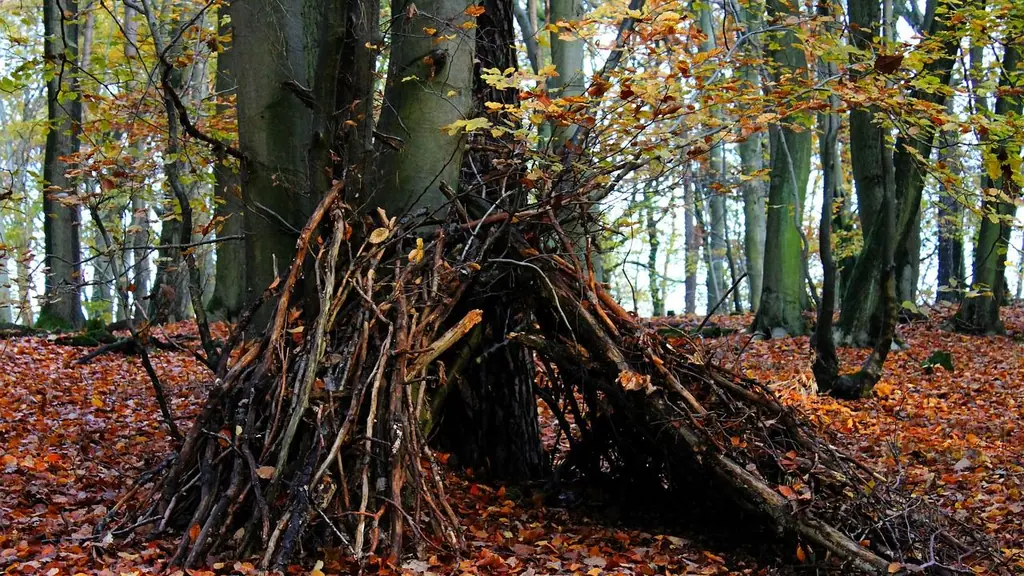
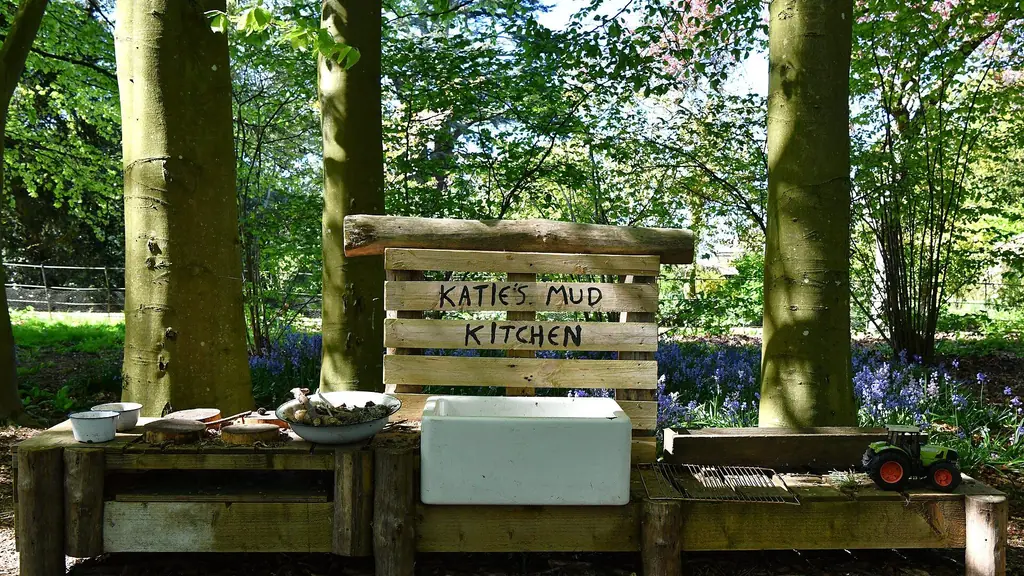
Once the habit is established, add one bigger idea at a time. Build a stick shelter with our guide to building a den outdoors, set up a mud kitchen in a corner of the yard, or read about how to approach climbing and balancing in risky play. For more ideas, browse the outdoor play topic.
Sources
- The Benefits of Children's Engagement with Nature: A Systematic Literature Review, Children, Youth and Environments (Tim Gill, 2014)
- Do Experiences With Nature Promote Learning? Converging Evidence of a Cause-and-Effect Relationship, Frontiers in Psychology (Kuo, Barnes and Jordan, 2019)
- Preventing Tick Bites, Centers for Disease Control and Prevention
- Sun Safety: Information for Parents About Sunburn & Sunscreen, American Academy of Pediatrics (HealthyChildren.org)
- Drowning Prevention for Curious Toddlers: What Parents Need to Know, American Academy of Pediatrics (HealthyChildren.org)
- Children & Nature Network, Children & Nature Network