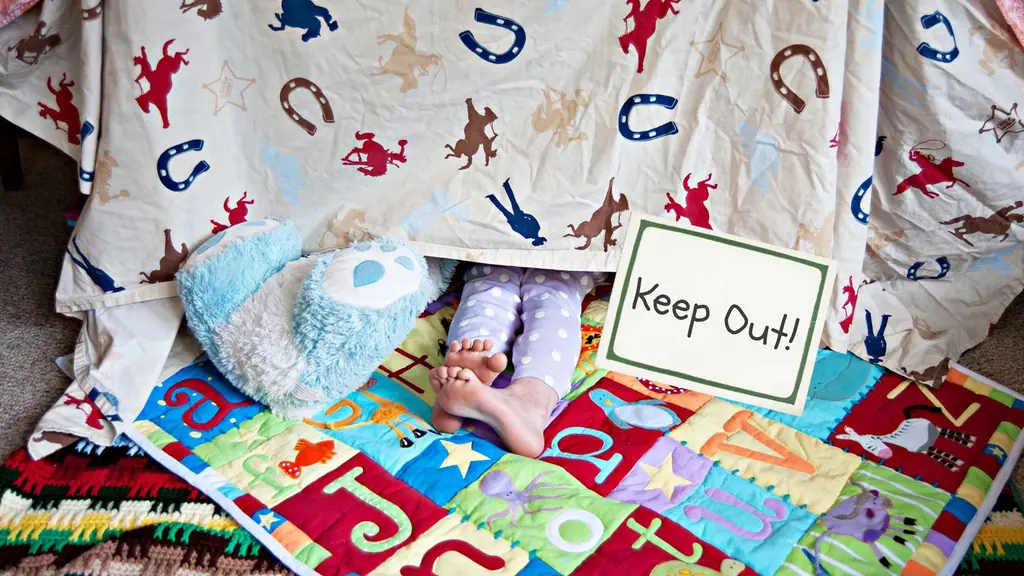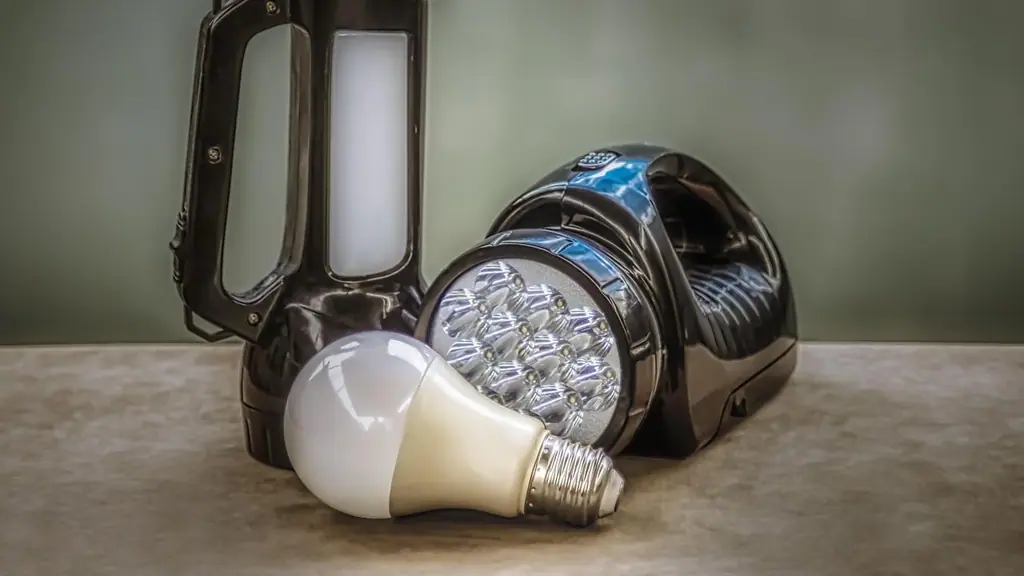
A fort becomes a different place once the big lights go off and a small glow comes on inside. Books feel more exciting by lantern light, shadows appear on the walls, and the den turns into a cave, a tent on a mountain or a submarine. It is one of the best parts of fort play, and one of the few parts where a poor choice can turn serious.
The rule is short: inside a fort, use only cool-running, battery-powered LED lights, with their battery compartments screwed shut, and keep any cords well away from young children. Everything else, from candles to the reading lamp from the living room, stays outside. This guide explains why, which kinds of light work best, and how to set them up so the glow stays cozy.
Why LEDs, and why only LEDs
Fort walls are made of exactly the materials that catch fire most easily: sheets, blankets, cushions and pillows, often draped close to the light source. A light that runs hot is a problem in that setting even if it is never knocked over.
ENERGY STAR, the U.S. government's energy-efficiency program, notes that incandescent bulbs release 90% of their energy as heat, while LEDs produce light up to 90% more efficiently and use built-in heat sinks to carry away the heat they do produce. Halogen bulbs also run very hot. That is why a battery LED lantern can sit on a cushion inside a fort while a lamp with a traditional bulb should never be under fabric at all.
Candles are the clearest "no." The National Fire Protection Association reports that more than half of home candle fires start when something that can burn, such as bedding, curtains or furniture, is too close to the flame, and it advises keeping candles at least 12 inches from anything that can burn. Inside a fort, everything is closer than that. NFPA suggests flameless candles as an alternative, and a battery LED "candle" gives the same flicker with none of the risk.
You’ll need
- One battery-powered LED lantern or puck light per fort
- Optional: a battery-powered LED string light (fairy lights) with an enclosed battery box
- Optional: LED push lights or tap lights for walls
- A small screwdriver for battery compartments
- Fresh batteries of the right type, stored out of children's reach
- Clips to fix string lights to the outside of the fort frame
Choosing the right light
| Light | Good for | Watch out for |
|---|---|---|
| Battery LED lantern | The main light; reading; easy for children to carry | Choose one with a screw-closed battery door |
| LED puck or tap light | Lighting a corner or a "ceiling" from a chair seat | Many use button or coin batteries: check the compartment needs a screwdriver |
| Battery LED string lights | Outlining the fort entrance or frame | The wire itself is a cord; keep it out of reach of young children |
| LED flashlight | Shadow play, exploring, signaling | Pick a sturdy one with a secured battery cap |
| Plug-in string lights or lamps | Not inside forts | Mains cords and plugs under fabric; hot bulbs on older sets |
| Candles, incandescent or halogen bulbs | Never | Open flame or hot surfaces next to fabric |
How to light a fort
- Check the batteries first. Before the light goes anywhere near a child, make sure the battery compartment is closed with its screw. If the screw is missing or the door is cracked, set that light aside.
- Put the main light on a firm, low spot. Stand a lantern on the floor or a sturdy book in a corner, not balanced on a cushion edge or hung from the roof.
- Run string lights outside the fort. Clip battery string lights along the outside of the frame or around the entrance, where they glow through the fabric. Tuck the battery box on the floor outside, not in the den.
- Keep wires short and away from necks. Gather any slack, clip it along the chair legs and keep it out of reach of younger children. Never drape lights where they could loop around a child's neck.
- Turn everything off afterward. Switch lights off and take them out of the fort when play ends. Do not leave lights on in a fort overnight.
Button batteries: the hidden hazard
Many small LED lights, tea lights and remote-controlled string lights run on button or coin cell batteries. The CPSC warns that a swallowed button battery can burn through a child's throat or esophagus in as little as two hours. It advises choosing products whose battery compartments close with a screw, checking that toys need a tool to open, keeping loose batteries away from children, and disposing of used ones promptly, with their terminals taped.
If you think a child has swallowed a button battery, get medical care immediately. The CPSC lists the National Battery Ingestion Hotline (800-498-8666) and Poison Help (800-222-1222).
Variations by age
- Preschool (3–5): One sturdy LED lantern that an adult switches on and places. Let children choose where it goes, but keep string lights and small tap lights out of the den itself.
- Early school (5–8): Children can carry a lantern and use an LED flashlight for shadow play. String lights go on the outside of the fort, set up by an adult.
- Big kids (8–12): They can plan and hang battery string lights along the frame, check battery doors themselves and take charge of switching everything off.
With toddlers, an adult holds any light and keeps it out of reach. A push light on the outside of a table tent gives the glow without anything to mouth.
Safety first
- Cool battery LEDs only. No candles, incandescent or halogen bulbs, and no plug-in lamps or plug-in string lights inside or under fort fabric.
- Screwed-shut battery boxes. Every light used in play should have a battery compartment that needs a tool to open. Keep spare and used batteries locked away.
- Cords away from necks. Keep string-light wires short, clipped to the outside of the frame and out of reach of young children. RoSPA notes that toddlers are especially vulnerable to strangulation, and corded blinds should be well away from any fort; the CPSC warns cord strangulation can happen in moments, even with an adult nearby.
- Lights off bedding. Stand lights on a firm surface and keep them away from piled bedding. Never charge a rechargeable light inside a fort.
- The rest of the fort rules still apply. Adult supervision, nothing heavy on the roof, stable furniture that cannot tip, one side open for air, and fort fabrics kept away from heaters. Forts are not for sleeping babies.
See our play safety page for the general principles.
What they’re learning
Light play is quietly scientific. Children notice that the shadow gets bigger as their hand moves closer to the lantern, that fabric glows differently in different colors, and that they control where a flashlight beam lands. ZERO TO THREE describes a flashlight game for 2-year-olds who enjoy discovering they can direct the light, and older children can turn the same curiosity into shadow-puppet shows and stories.
Grown-up tip
Keep the fort lights in a lidded box with the screwdriver taped inside the lid. Battery checks become part of setting up, and nothing ends up loose on the floor afterward.
A quick lighting checklist
Run through this before the lights go on:
- Battery LED only, no candles or hot bulbs
- Battery compartments closed with screws
- String-light wires outside the fort and out of reach
- Lights on a firm surface, away from bedding
- Fort away from heaters and corded blinds
- Lights off and out of the fort when play ends
Once the lighting is sorted, the rest of the build is in our guide to building a blanket fort that stands up and stays safe. The printable blanket fort safety checklist covers lights alongside every other fort check, and the family fort night plan puts the lanterns to good use.
Sources
- Safety with candles, National Fire Protection Association
- Button Cell and Coin Battery Information Center, U.S. Consumer Product Safety Commission
- Learn About LED Lighting, ENERGY STAR (U.S. Environmental Protection Agency)
- Go Cordless: Window Covering Safety, U.S. Consumer Product Safety Commission
- Strangulation and asphyxiation, Royal Society for the Prevention of Accidents (RoSPA)
- Activities for Bonding and Learning from 24 to 36 Months, ZERO TO THREE