Big feelings need somewhere to go. After a loud birthday party, a hard day at school or a fight over the last cookie, many children want to be somewhere small, soft and quiet for a while. A calm-down den gives them exactly that: a little enclosed retreat they can choose to use, with cushions to sink into and a few simple things that help a body slow down.
The key word is choose. A calm-down den is not a time-out spot, and nobody gets sent there. It's a place children learn they can go to when they need a break, and where a grown-up can sit with them if they want company. Think of it as the cozy opposite of a naughty step.
It works best for children from about 3 upward, who can start to recognize "I need a break" with some help. Younger toddlers usually need a grown-up's lap more than a den, and that's exactly right for their age.
You’ll need
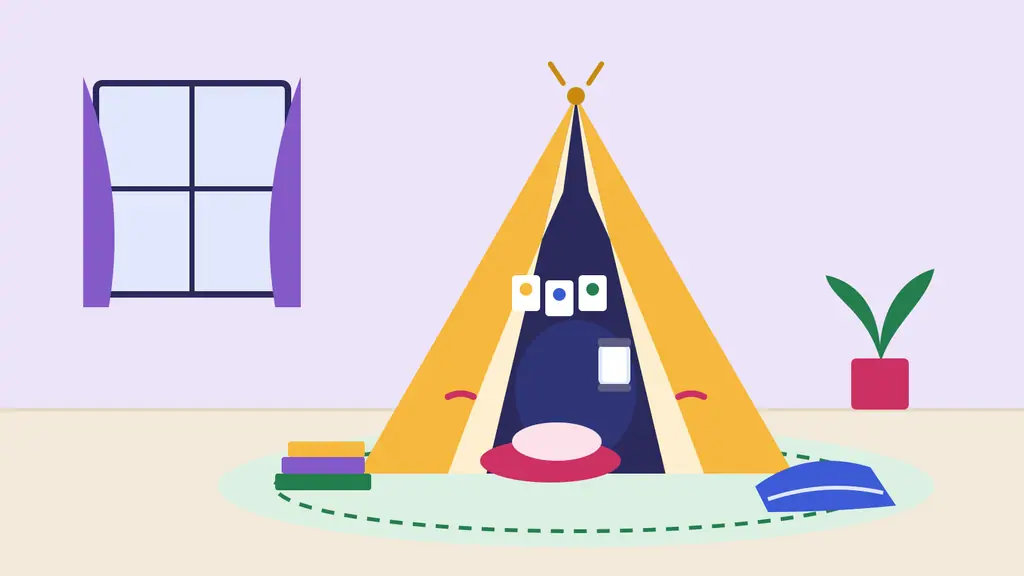
- A small pop-up play tent with mesh windows, a curtained corner, or a low table draped with a light sheet (one side always open)
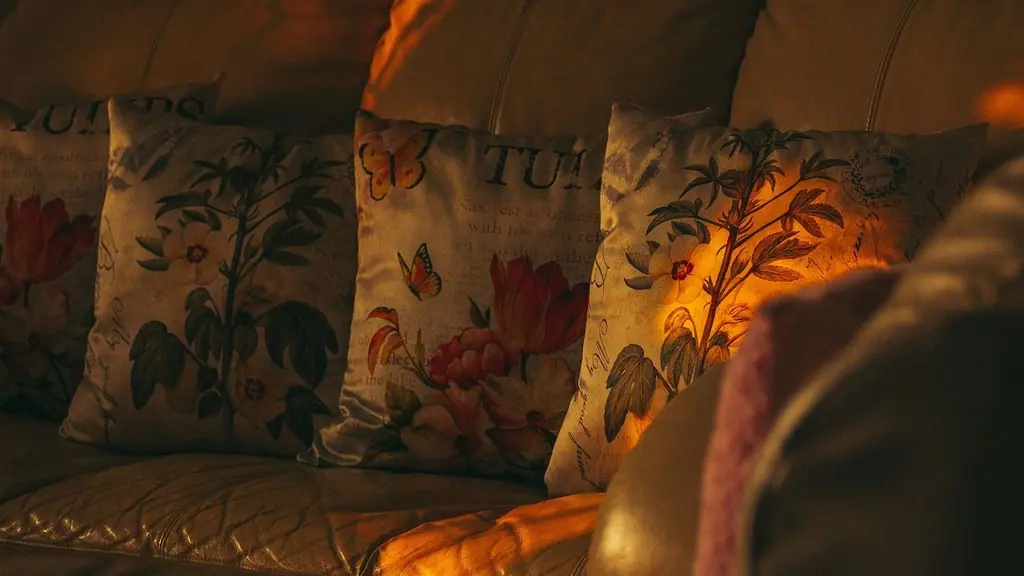
- A firm floor cushion or folded quilt as a base, plus two or three small pillows
- A soft blanket and one or two cuddly toys
- A basket with a few calming items: picture books, a squeeze ball, a smooth stone, a soft fabric square, a sealed calm-down bottle made by an adult
- Simple feelings cards with faces (happy, sad, angry, worried, tired) and a few "what helps" picture cards
- A battery-powered LED puck light or lantern (optional)
- Ear defenders or a pair of headphones with no cable, if your child likes them
How to set it up
- Pick a spot that's quiet but connected. A corner of the living room or bedroom works better than a far-off room. The den should feel private while staying in sight and earshot of the grown-ups.
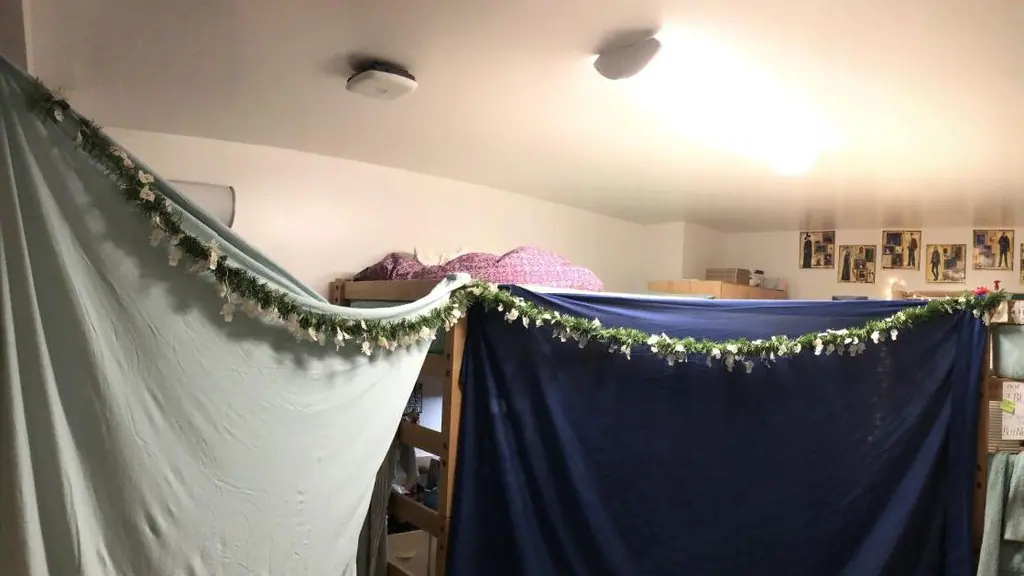
- Make the enclosure. Pop up the tent, hang a curtain on a tension rod across a corner, or drape a sheet over a low table. Keep one side fully open, with the opening facing the room.
- Build a soft floor. Lay the cushion or quilt down first, then pillows along the back. Children should be able to sit or lie comfortably with their head well inside the den and their face uncovered.
- Add a few calming things, not a toy box. Choose items with gentle textures and quiet uses. Too many choices can turn a calm space into a busy one. Rotate items every few weeks.
- Put the feelings cards at eye level. Tape or clip them inside the tent wall or keep them in a small pouch. Children can point to how they feel without needing words.
- Introduce it when everyone is calm. Show your child the den on a good day. Try it out together: read a book, practice some slow "blow out the candle" breaths, look at the cards. Explain that it's theirs to use whenever they need a break.
- Use it together at first. When your child is upset, offer: "Do you want to go to the den? I can come too." Sit beside the opening, keep your voice low and slow, and name the feeling you see. Talk about what happened later, once everyone is settled.
- Let your child make it theirs. Invite them to choose the blanket, draw a sign or pick the books. Children are more likely to use a space they helped create.
Variations by age
| Age band | What the den looks like | How to use it |
|---|---|---|
| Preschool (3–5) | A small tent or table den with a few cuddly toys, board books and two or three feelings cards | Go in together. Name the feeling for them ("You look really frustrated") and breathe slowly side by side. Keep visits short. |
| Early school (5–8) | Add more feelings words, a squeeze ball, a calm-down bottle and a "what helps me" card with pictures they chose | Encourage them to notice when they need a break and to go on their own, with you checking in. |
| Big kids (8–12) | A curtained nook or a corner of their room with a beanbag, books, a sketchbook and a journal | Respect privacy. Agree that the den means "please give me a few minutes," and check in afterward rather than during. |
Safety first
- Ventilation first. Use breathable fabric with mesh or open sides. Never use plastic sheeting, heavy blankets over the top or anything that seals the space.
- Always open and visible. Keep the door or one side open, and keep the den where a grown-up can see in from the room. Faces stay uncovered, and dens are not for sleeping babies.
- Stable and low. Tents should sit flat on the floor; draped tables must be sturdy and unable to slide. Put nothing heavy on top of the den.
- No cords. Keep the den away from window blind and curtain cords, and use only battery-powered, cool LED lights with no dangling wires. Skip drawstring bags, long ribbons and corded headphones inside.
- No weighted items for young children unless your child's doctor or occupational therapist has advised them and shown you how to use them safely.
- Age-appropriate contents. For younger children, leave out small stones, beads, glitter bottles that could open, and anything small enough to choke on. Seal any homemade calm-down bottle securely with glue, and check it regularly.
- Never a punishment or a lock-in. No doors that latch, and children can always come out.
See our safety principles for more.
What they’re learning
What they're learning
Learning to calm down is a skill that develops slowly, and adults do a lot of the early work. Zero to Three describes this as co-regulation: helping a child manage emotions through supportive interactions, such as staying close, using a soothing voice, breathing slowly and naming the feeling, so the child can borrow the adult's calm. Over time, the Harvard Center on the Developing Child explains, children build self-regulation and executive function skills such as working memory, mental flexibility and self-control; children aren't born with them, and they keep developing into early adulthood. The American Academy of Pediatrics' The Power of Play report also notes that shared, attuned play between parents and children helps regulate the body's stress response. A den doesn't do that work by itself. It gives a child a familiar place to practice, ideally with a calm grown-up nearby.
Grown-up tip
Grown-up tip
If your child resists the den when they're upset, don't push it. Some children need movement before they can be still: a few jumps, pushing against a wall or a quick run outside. Understood, a nonprofit focused on learning and thinking differences, notes that some children look for movement and pressure while others avoid noise and touch, and many do both. Watch what actually helps your child and stock the den accordingly.
When to look for more support
Every child has meltdowns, and a calm-down den is just one comfortable tool among many. If your child's distress seems very frequent, very intense, or is getting in the way of school, friendships or sleep, talk to your pediatrician. They can help you decide whether a conversation with a psychologist, occupational therapist or other specialist would be useful.
Make it part of the family's routine
Use the den on calm days too: for reading, for quiet play after school, for a few minutes before bed. The more ordinary and pleasant it feels, the more naturally a child will head there when they need it. For more ideas, see sensory-friendly playroom ideas, the printable calm corner choice board, and our guide to a simple table tent for toddlers if you have a younger one who wants a den of their own.
Sources
- Your Calm Is Their Calm: Co-Regulation Strategies for Infants and Toddlers, Zero to Three
- InBrief: Executive Function, Center on the Developing Child, Harvard University
- Understanding sensory processing challenges in your child, Understood
- The Power of Play: A Pediatric Role in Enhancing Development in Young Children, Pediatrics (American Academy of Pediatrics)