There's a reason children read under tables, behind sofas and inside blanket forts: small spaces feel private, and a book feels more like an adventure when you've climbed somewhere to read it. A reading nook bottles that feeling. Give a child a soft seat, good light and books they can actually see, tucked into a corner that feels like their own, and reading starts to look less like a task and more like a treat.
You don't need a spare room. A bedroom corner, the dead space under the stairs, a closet with the doors removed or the end of a hallway can all become a nook in an afternoon. Here's how to build one that's cozy, practical and safe.
You’ll need
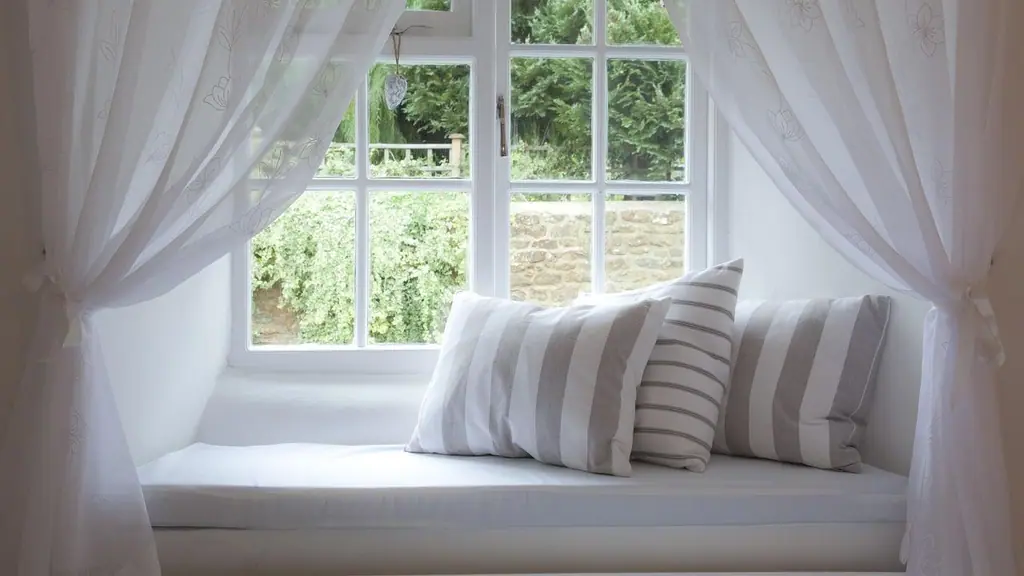
- A chosen space: a corner, an emptied closet, the area under the stairs or a window bay away from blind cords
- A firm floor cushion, crib-size mattress topper or folded quilt, plus a few pillows
- A low, shallow bookshelf or wall-mounted picture ledges (forward-facing display)
- Furniture anchors or wall fixings suited to your wall type, and a stud finder
- Battery-powered LED lighting: a puck light, a clip-free lantern or an LED reading light
- Optional canopy: a lightweight fabric canopy or sheer curtain and a secure ceiling hook rated for the job
- A basket or bin for board books and a small one for "currently reading"
- A rug for hard floors
Building the nook
- Choose a space with light and air. Pick somewhere with room to sit up comfortably, decent airflow and no heaters, radiators or window cords nearby. If you're using a closet, remove the doors or prop them fully open so they can't close on a child.
- Clear and clean it. Empty the space completely, check for nails, sharp edges and loose outlets, and vacuum. Under stairs, check for low beams or exposed fixings and pad or cover them.
- Fit the shelving and anchor it. Install a low bookshelf against the wall and attach it with an anti-tip anchor, or screw picture ledges into studs or with fixings rated for your wall. Children use shelves as steps, so assume they will climb.
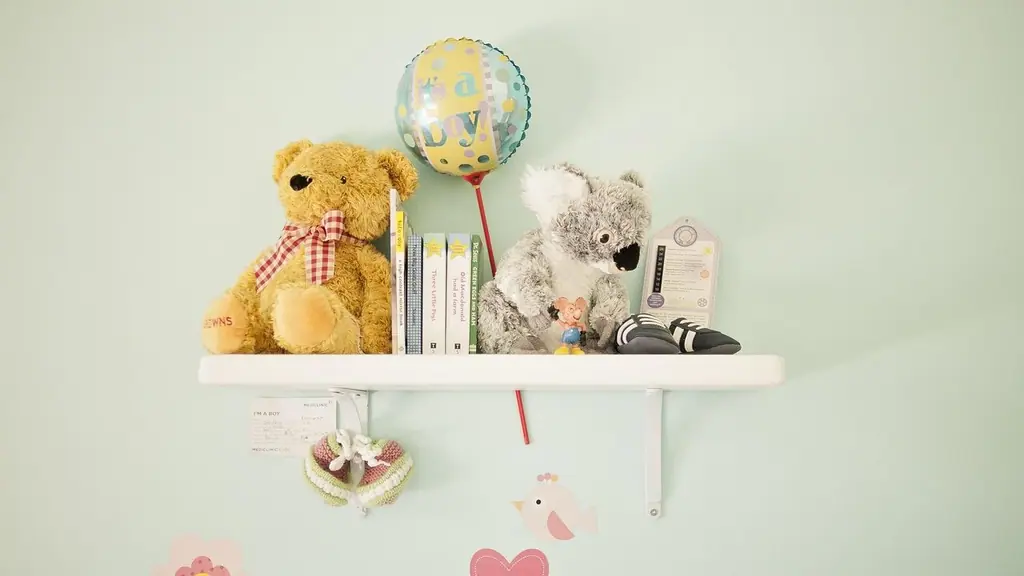
- Display books facing out. Young children choose books by their covers. Forward-facing ledges or a front-facing rack let them see what's on offer and pick independently. Keep spines-out shelving for chapter books older children can browse by title.
- Make the seat. Lay the cushion or topper on a rug, add pillows against the wall, and include a throw blanket. Sitting height should let feet touch the floor or the cushion edge.
- Light it with cool LEDs. Use a battery-powered LED lantern or puck light, or a wall-mounted LED reading light installed by an adult with the cable fixed flat and out of reach. Avoid plug-in lamps sitting inside the nook.
- Add a canopy if you like. Hang a light fabric canopy from a secure ceiling hook screwed into a joist, well above reach, so the fabric drapes around the nook rather than over the child. Keep one side open and the fabric clear of the floor where it could be pulled. Skip the canopy for toddlers who would tug on it.
- Fill it, then rotate. Start with eight to twelve books, a mix of favorites and new ones. Swap some out every week or two, and let your child pick a few each time from the library or your own shelves.
Variations by age
| Age band | Nook features | Reading ideas |
|---|---|---|
| Toddlers (1–3) | Floor-level seating, sturdy board books in a basket, no canopy, nothing to pull down | Read together daily; let them turn pages, point and name pictures |
| Preschool (3–5) | Forward-facing ledges, a few puppets or toy animals for acting out stories | Retelling favorite stories, "reading" pictures aloud, choosing the bedtime book |
| Early school (5–8) | A small shelf with early readers, a battery LED reading light, a bookmark jar | Taking turns reading pages, a short book of their own making |
| Big kids (8–12) | Beanbag or floor chair, a shelf for series and graphic novels, a notebook | Independent reading, a reading log, reading aloud to a younger sibling |
Safety first
- Anchor every shelf and ledge. The U.S. Consumer Product Safety Commission's Anchor It! campaign advises anchoring furniture with shelves, drawers or doors to the wall. Load heavier books on the lowest shelves.
- No cords. Children have strangled on window blind cords, and the CPSC says cordless window coverings are the only way to eliminate that hazard. Keep the nook away from corded blinds and curtains, and keep any lamp, charger or light cables fixed flat and out of reach.
- Cool LED light only. No candles, incandescent or halogen bulbs, string lights with hot bulbs, or plug-in lamps inside the nook.
- Canopies hang from secure fixings. Use a ceiling hook into a joist or a rated fixing, set out of reach. Never hang fabric from curtain rods, light fittings or anything a child can pull down, and never let ties or ribbons dangle within reach.
- Air and visibility. Keep one side open, use breathable fabric, and make sure you can see into the nook from the room. Closets need doors removed or held fully open, and no latches that can lock from outside. Nooks are not sleeping spaces for babies.
- Heat sources. Keep fabric, cushions and books well away from heaters and radiators.
- Toddlers. Stay nearby while they use the nook, choose sturdy board books, and keep small decorations, button-battery lights and anything that fits in the mouth out of reach.
See our safety principles for more.
What they’re learning
What they're learning
The American Academy of Pediatrics encourages reading aloud from birth and describes shared reading as a foundation for language, literacy, social-emotional and cognitive development, as well as a way to build close, nurturing relationships. Its 2024 guidance favors print books for young children, because shared paper books tend to spark more back-and-forth conversation than screens. A nook doesn't teach reading on its own. It makes books visible, comfortable and easy to reach, which gives children more chances to choose them. The AAP's The Power of Play report also notes that parents who read and play alongside their children enrich them more than elaborate toys do.
Grown-up tip
Grown-up tip
Make the nook big enough for two. Many of the best reading moments are shared ones, and a nook where you can squeeze in beside your child for a story gets used far more than a solo pod. Bring the bedtime book here sometimes, and let older children read to younger ones.
Keep it inviting
- Rotate by season and interest. Snow books in winter, bug books in spring, a stack about whatever obsession is current.
- Make your own books. Fold paper into a booklet, staple it, and let your child dictate or write a story. Keep these in the nook alongside published books.
- Turn it into a fort sometimes. A blanket draped over two chairs nearby makes a temporary reading den. Our guide to building a blanket fort safely and the list of creative indoor den ideas have plenty of options.
- Plan for change. Your nook can grow with your child; see designing a play corner that grows with your child for ideas on adapting spaces over time.
More space ideas live in the DIY play spaces topic.
Sources
- Beyond Literacy: Shared Reading Starting at Birth Offers Lifelong Benefits, American Academy of Pediatrics (HealthyChildren.org)
- The Power of Play: A Pediatric Role in Enhancing Development in Young Children, Pediatrics (American Academy of Pediatrics)
- Anchor It!, U.S. Consumer Product Safety Commission
- Window Covering Cords, U.S. Consumer Product Safety Commission