The order is in, the food is twenty minutes away, and a four-year-old has already rearranged the sugar packets twice. Or it is hour three of a five-hour drive and the back seat has gone very quiet in the wrong way. Those in-between stretches are where a little preparation pays off most.
None of this has to be elaborate. A zip pouch that fits in a glove box, a handful of games that need nothing but voices, and a plan for who gets the window seat will cover most trips. The ideas below work for toddlers through tweens, and most of them can be played by a grown-up who is also driving, ordering or filling in a clipboard.
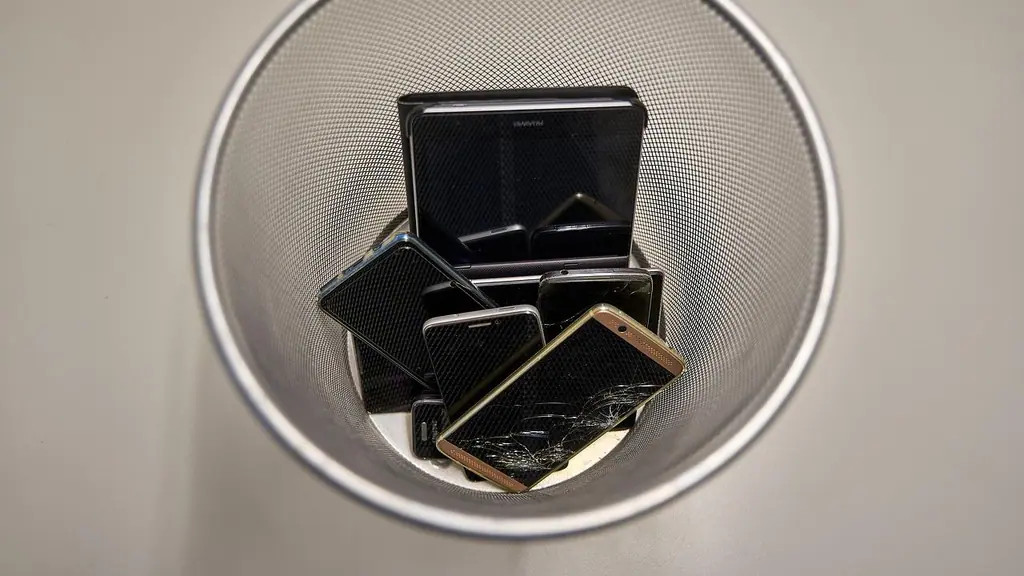
This is not an argument against ever handing over a tablet. The American Academy of Pediatrics suggests families decide for themselves where media fits, and its Family Media Plan treats the car as one place some families choose to keep screen-free. If that is your choice for some trips, here is what to fill the time with.
You’ll need
- A flat zip pouch or pencil case (soft fabric rather than a hard box)
- A small notepad or a few folded sheets of paper
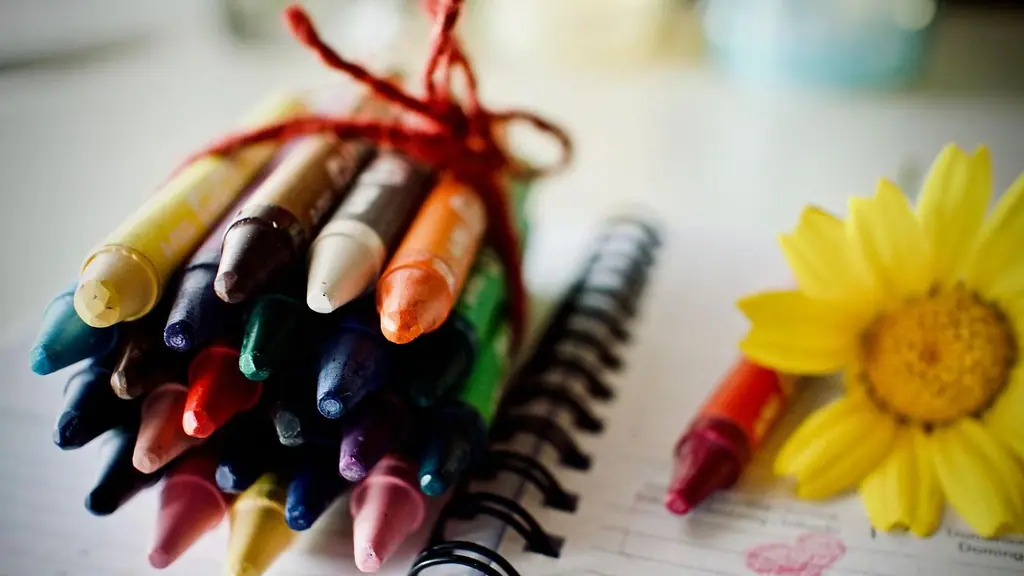
- Chunky crayons for little ones, colored pencils or a short pencil for older kids
- A deck of playing cards (for ages 5 and up)
- Six to ten pipe cleaners
- A few small fabric finger puppets or one favorite soft toy
- Painter's tape (a short roll for drawing roads on a tray table)
- Sticky notes
- A cloth napkin or bandana for "hide and find" games
Pack a pocket kit in five minutes
- Choose soft and light first. Anything in the kit may end up flying around a car in a sudden stop or under a restaurant booth, so pick fabric, paper and flexible items over hard, heavy ones.
- Sort by age. If you have a toddler and an older sibling, make two small pouches. The older child's cards and pencils stay in their pouch, away from the younger child.
- Add one surprise. A new pad of sticky notes or a fresh pack of pipe cleaners holds attention better than the same old crayons.
- Hold it back. Keep the pouch with you, not in the child's lap, and bring it out only when boredom arrives. Novelty is the whole point.
- Refill after each trip. Toss broken crayons and used paper, check for anything missing or damaged, and put the pouch back by the door.
Voice-only games for the car
These need nothing at all, which makes them ideal for the driver to run.
- I spy. Classic for a reason. For toddlers, switch to colors ("I spy something red") and accept anything close. For older kids, try "I spy something that starts with the sound mmm" or something that is "heavier than our car."
- Twenty questions. One person thinks of an animal, object or person; everyone else asks yes-or-no questions. Younger players can work in a team with an adult.
- Story chain. Someone starts a story with one sentence. Each person adds a sentence in turn. Set a rule that adds challenge for older kids: every sentence must include a color, or the story must end at the next exit.
- The alphabet hunt. Find each letter, in order, on road signs, trucks and storefronts. Cooperative version: the whole car hunts together.
- Would you rather. "Would you rather have a tail or wings?" Kids enjoy making these up for the adults as much as answering them.
- Counting collections. Each person chooses something to count: red cars, cows, bridges. Compare tallies at the next stop, or pool them for a family total.
- Name that sound. Hum a well-known song and see who gets it. Older kids can take the humming role.
Pocket games for waiting rooms and restaurants
Tables and laps call for quieter, smaller games that stay within reach.
- Napkin hide and find. Hide a sugar packet, a crayon or a coin-sized object under one of three upturned cups or a folded napkin, slide them around, and let your child guess. (Keep anything small away from toddlers and use a larger item for them.)
- Pipe cleaner sculptures. Challenge each other: make a pair of glasses, a spider, the first letter of your name, something that can stand up on its own.
- Tape roads. A few strips of painter's tape on a restaurant table or clipboard become a road for a finger "car" or a small soft toy.
- Sticky note memory. Draw simple pictures in pairs on sticky notes, turn them face down and play a matching game. The notes stay put on the table.
- Squiggle drawings. One person draws a random squiggle; the other turns it into a picture.
- Card games. Go Fish, war, and simple matching games fit on most tables. Older kids can learn a solitaire layout and play quietly on their own.
- Quiet observation. "How many people in here are wearing glasses?" "What do you think that man is reading?" Gentle people-watching builds descriptive language without anyone moving.
Variations by age
| Age band | What tends to work | Adjust for |
|---|---|---|
| Toddlers (1–3) | Peekaboo with a napkin, finger puppets, songs with hand motions, simple color "I spy" | Short attention spans: switch every few minutes. No crayons small enough to mouth, no coins or packets in reach. |
| Preschool (3–5) | Hide and find under cups, chunky crayons, story chain with an adult, counting cows | Keep turns short and let them win often. |
| Early school (5–8) | Twenty questions, alphabet hunt, Go Fish, pipe cleaner challenges, squiggle drawings | Add rules gradually ("you can only ask about size"). |
| Big kids (8–12) | Would you rather, harder story rules, card games, map reading, keeping a trip log | Hand over the job of running a game for younger siblings. |
Safety first
- Car seats come first. The AAP recommends that children stay rear-facing as long as their seat's limits allow, then ride in a forward-facing seat with a harness, then a belt-positioning booster until the adult belt fits (typically around 4 feet 9 inches tall and 8 to 12 years old), and that all children under 13 ride in the back seat. No game is worth loosening a harness or letting a child unbuckle to reach something.
- Keep loose items soft and light. Hard toys, metal objects and heavy books can be thrown around in a sudden stop. Stow those in a closed bag on the floor or in the trunk while the car is moving.
- Small parts and toddlers. Coins, sugar packets, crayon pieces, game pieces and pipe cleaner ends are choking risks for children under 3 and for any child who still mouths objects. Federal rules ban small parts in toys made for under-3s; your own kit should follow the same idea.
- No cords or strings near necks. Skip lanyards, yo-yos, and toys with long strings in car seats and high chairs.
- No balloons for children under 8, including restaurant balloons: an uninflated or popped balloon can choke or suffocate a child.
- Hot food and drinks stay out of reach of small hands at the table.
- See our general safety principles for more.
What they’re learning
Many of these classic games line up with activities that the Center on the Developing Child at Harvard University suggests for practicing executive function skills. Guessing games such as twenty questions ask children to hold earlier answers in mind and adjust their guesses, which draws on working memory and flexible thinking. I spy asks children to sort objects into categories and focus their attention on a search. Group stories ask each player to listen, remember the plot so far and fit their idea into it. These are chances to practice, not guaranteed results, and every child plays at their own level.
Grown-up tip
On long drives, plan a stop every couple of hours for a run-around: a quick game of tag or a race to a tree at a rest area resets everyone's mood, including the driver's. Hand older kids the job of choosing the next game from a short list on a sticky note.
Keep the ideas coming
If you want more ideas sorted by age for home as well as travel, our screen-free activities list for toddlers to tweens is a good next stop. The Screen-Free Week Chart works on a clipboard for road trips, and a few imaginative play prompt cards slipped into the pouch make instant story starters. If you are thinking about media use more broadly, read how to make a family media plan that leaves room for play.
Sources
- Family Media Plan, American Academy of Pediatrics (HealthyChildren.org)
- Car Seats: Information for Families, American Academy of Pediatrics (HealthyChildren.org)
- Holiday Travel Safety Tips for Parents With Young Children, American Academy of Pediatrics (HealthyChildren.org)
- Small Parts Ban and Choking Hazard Labeling, U.S. Consumer Product Safety Commission
- Enhancing and Practicing Executive Function Skills with Children from Infancy to Adolescence, Center on the Developing Child, Harvard University